Press ESC or click the X to close this window

There’s a Rang-tan in My Bedroom (Susan Elkin reviews)

Show: There’s a Rang-Tan in my Bedroom and Other Stories

Society: Little Angel Theatre

Venue: Little Angel Theatre. 14 Dagmar Passage, London N1 2DN

Credits: Concept by Mother. Written by James Sellick. Directed by Maia Kirkman-Richards. Music composed and sound designed by Dominic Sales


There’s a Rang-Tan In My Bedroom and Other Stories

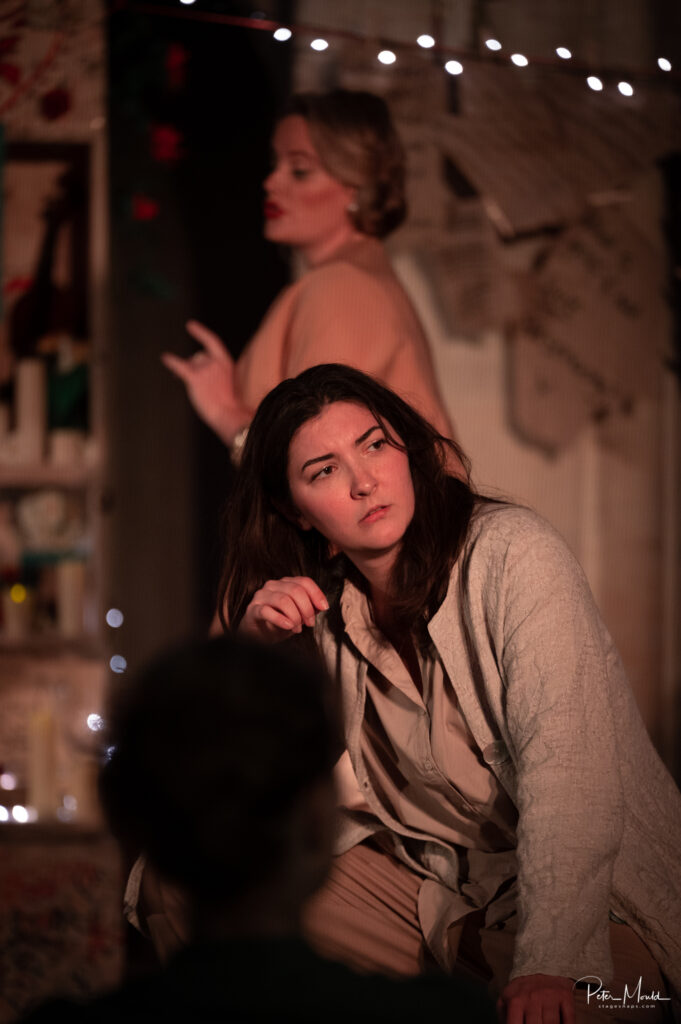
This is a piece for 5-11 year olds with a loaded agenda. Its aim is to introduce children to the concept of habitat destruction and its relationship with big business and to suggest some things we could all do to help arrest it. It is, however, packaged with a lot of charm and artistry so that it still feels like a pretty decent piece of theatre for children – as we’ve long come to expect from Little Angel Theatre which is celebrating its 60th birthday this year.

A little girl finds a turtle in her bath and then an orang-u-tan in her bedroom. “There’s a rang-tan in my bedroom and I don’t know what to do” she says. We hear the orang-u-tan (voiced by Sophie Thompson) and a jaguar says repeatedly “There are humans in my forest and I don’t know what to do. The turtle makes the same complaint about “my ocean”. Puppets sensitively operated by Ajjaz Awad and Aya Nakamura convey a real sense of vulnerability.

The 45-minute piece concludes with three suggestions drawn (sort of) from children in the audience: avoid palm oil, recycle and reuse as much as possible and eat less meat.

I especially liked the jaguar puppet which has huge feet and a nice stripey tail and the creation (design by Kate Bunce) of a minature domestic set including bed bath, lavatory and filled fridge all on moveable counter tops.

But the loudest cheer goes to the small boy who stood up at the end and declared that the palm oil industry must be stopped. “It destroys the environment and it isn’t good for you” he said.

First published by Sardines: https://www.sardinesmagazine.co.uk/review/theres-a-rang-tan-in-my-bedroom-and-other-stories/

Bromley and Beckenham International Music Festival: Concert 2 Bromley Parish Church

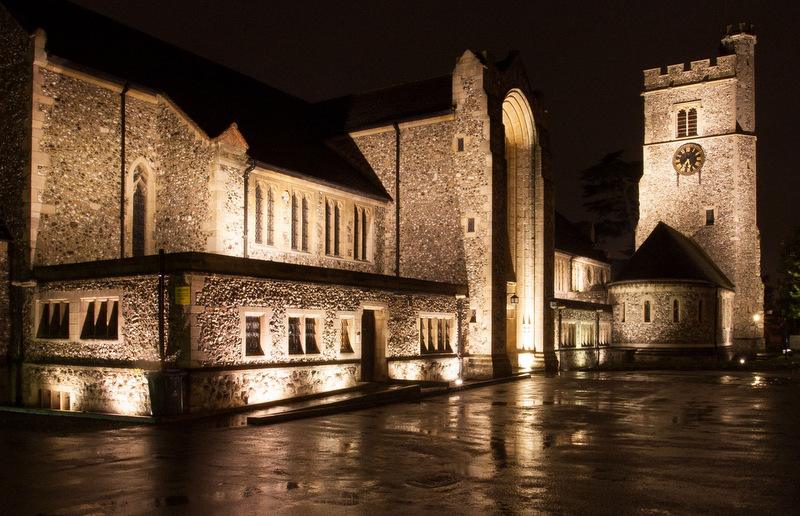
Bromley and Beckenham International Music Festival (BBIMF) was co-founded last year by pianist Benjamin Grosvenor, who comes from Bromley and violinist Raja Halder. This concert was the second in a series of four over the festival’s single weekend – and a thing of wonder it was too happening as it did at 4.30 on Saturday afternoon, an oasis of culture and calm a few yards from the busy high street with its shops and pubs.

It’s a treat to see Grosvenor, who famously won Young Musician of the Year aged 11 and is still only 26, on his home turf and doing the chamber music he is so committed to. I last saw him 11 days earlier playing Beethoven’s Fourth Piano Concerto at the Proms.

We began with Britten’s Lachrymae op 48a which is based on Dowland’s song “If my complaints could passions move”. Premiered at Aldburgh in 1950 and scored for viola and piano, it was new to me as it was, I suspect, to most of the audience. It is actually a theme and variations but Britten reverses the usual order and doesn’t let us hear the plain theme until the end. At this performance a group of four musicians, almost out of sight near the high altar played the soulful, hymn-like Dowland so that we could hear it first. Then it was down to Timothy Ridout and Benjamin Grosvenor to make it sing in the fabulously resonant acoustic of Bromley Parish Church. The effects were surreal and otherworldly especially in the third variation with pizzicato pinging out over wide chords on the piano and I loved the end with Ridout sending the harmonics off into the lofty blue domed roof like stars dying away in the distance.

The second work was the much more familiar Schubert Trio in E flat major in which Grosvenor was joined by violinist Hyeyoon Park (his regular duet partner) and cellist Bartholomew LaFollette. It was supremely well played with warmth and drama in the interwoven melodies of the opening movement. I liked the elegance they brought to the andante as the tune is passed round before those entrancing octave leaps and there was lots of light and dark in the Scherzo. Then they played the Allegro Moderato with delicious charm especially in the witty rotating solo. There was absolutely no blurring of sound in this performance. You could hear every note of every part because speeds were judged to accommodate the loftiness of the space.

I was delighted to see several children at this concert and also noted with approval that the vicar, James Harratt is clearly pleased to have this remarkable festival in his church. He personally welcomed people in at the door, ticking our names off his list and spoke enthusiastically to the audience at the beginning. Too often, when there are concerts in churches, the priest-in-charge, vicar or rector is nowhere to be seen.

First published by Lark Reviews: https://www.larkreviews.co.uk/?p=6643
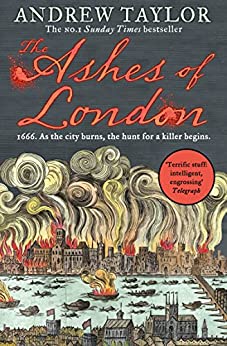
People who read fiction know things. I used to tell my students that so often that they probably mouthed it behind my back in mockery. But of course I was right. Fiction is an indispensable fount of general knowledge. And Ashes of London (2016) is a good example.

Yes, of course, I learned in primary school that the Great Fire of London was in 1666. And I was taken to the Monument and told stories about a baker in Pudding Lane.  But, despite later reading Pepys and Evelyn I had never actually thought much about what it would have been like at the time to be on the ground in London surrounded by ash, dangerous buildings, people sheltering in cellars, the fate of the old St Paul’s in the balance (rebuild or renovate?) and a lot of people drawing up plans and vying for contracts. Neither – what an admission! –  had I given any serious thought to the Fire in relation to the Restoration only six years earlier and the death of Cromwell only eight years before.

Andrew Taylor brings all that to life in this crime novel, the first of a series featuring Cat Lovett and James Marwood, set at the time of the Fire. You can almost smell the acridity of ashes and hear the creaking of the temporary supports hastily erected to stop more buildings collapsing as his complex web of characters skirt round, and confront each other, at a time when nobody is quite sure where other people’s loyalties lie. Yes, an Act of Indemnity protects most people from being prosecuted for supporting The Commonwealth but not if you were a regicide. And Charles 1’s execution in front of the Banqueting House in Whitehall in 1649 is only 17 years ago. James Marwood vividly remembers being taken to see it as a child by his printer father, a Commonwealth supporter who now has dementia.

Cat Lovett is also the child of a wanted man, portrayed as well- meaning, passionate – blinded by religion – and flawed. Cat, who hasn’t seen her father for a long time, goes into hiding at the beginning of the novel because, living with an aunt, she is raped by her cousin and maims him in retaliation. She is a refreshingly feisty character. This is not the only time she behaves incisively – and that’s a literal adverb in this context.

St Paul’s cathedral, now a huge, dangerous ruin towers over the action and  it doesn’t come as a huge surprise that the suspenseful denouement takes place at the top of the crumbling tower. It’s really just a question of who is going over. No spoilers.

Action packed, full of colour and history – just the thing for winter evenings as the days shorten.

Next week on Susan’s Bookshelves: Should We Stay or Should We Go by Lionel Shriver

Show: Quentin Crisp: Naked Hope

Venue: Crazy Coqs at Zedel Brasserie. 20 Sherwood Street, London W1F 7ED

Credits: by Mark Farrelly


Performance Date: 11/09/2021

Quentin Crisp: Naked Hope

Susan Elkin | 12 Sep 2021 17:57pm

This was the 140th performance of Mark Farrelly’s moving, hilarious sensitive 2013 play about that most flamboyant of gay men: Quentin Crisp.  I liked Farrelly’s two hander Howerd’s End last year and admired his acting, but this post-Pandemic revival of the earlier show is glitteringly good.

Crisp, of course, beneath the outrageous banter and the witty one liners was a deeply troubled man never allowed to be himself. And it’s that poignant  ambivalence which Farrelly nails exquisitely both as playwright and actor.

The play – modelled on the shows Crisp did in New York once he’d become famous – falls into two halves. At first Crisp acts out and tells the story of his own life, including his brief career as a rent boy, living in a squalid (“after four years the dust doesn’t get any worse”) bedsit and, always dressed like a bird of paradise, being the victim of frequent homophobic attacks. Farrelly has the young Crisp’s voice perfectly – measured, effeminate and rising to a sing song high note in almost every sentence. He also hops briefly in and out of other roles when he’s describing an incident.

Then the lights dim and Farrelly changes into more formal, louche but fairly conventional clothes and a grey wig. Now we’re in New York and the older Crisp is entertaining an audience and answering questions with, by how, well practised wicked punchlines. The voice has matured and is slightly more even now. The care with which Farrelly has observed these subtleties is awe inspiring.

Watching him is like being present at an acting masterclass not least because he has to work the audience sometimes with a moment of ad-libbing because at Crazy Coqs at Zedel Brasserie where I caught this show, the audience is seated very close at tables, cabaret style. There was also an audience incident at the performance I attended which Farrelly dealt with expertly before moving on.

Five stars indicates that this is an unmissable show of its type. Of course it’s very different from, say, South Pacific at Chichester or a full blooded Shakespeare interpretation by the RSC but, compared with the many one person, low budget shows I have seen, Quentin Crisp: Naked Hope is extraordinary.

This review was first published by Sardines: https://www.sardinesmagazine.co.uk/review/quentin-crisp-naked-hope/

Show: Showcase 2021

Society: The MTA (student productions)

Venue: Leicester Square Theatre. 6 Leicester Place, London WC2H 7BX

Performance Date: 10/09/2021

Showcase 2021

It is always a pleasure to see young people achieving and to enjoy the work of qualifying performers at the start of their careers.

Staged at Leicester Square Theatre (and live-streamed) this graduate showcase amply displayed the talents of its seventeen new “ambassadors” as The MTA, which styles itself “a college for life” calls its graduates.

Under Tilly Vosburgh’s inspired direction we got sixteen items in an hour-long show which meant that we saw each participant in at least one musical theatre setting and a “straight” one. Most colleges run their showcases with a single side-stage pianist or backing tapes. The MTA uses a live, centrestage three-piece band with principal Annemarie Lewis Thomas as MD on keys. She has also arranged the music. Such a band adds a lot to the quality of the work.

We started and finished with a whole company number. Both Be The Hero from Big Fish and The Goodbye Song from SMASH have a series of opportunities for single line solos – all delivered with tuneful energy.

The other fourteen items ranged from Mike Bartlett and Maxim Gorky to Godspell and Waitress. Everyone is an achiever but of course there were some students who really stand out. Stamatis Seraphim is one to watch, for example. He was disarmingly funny in New Boy (by Russell Lobey) as the teenager who hasn’t had sex, but yes please, would like to. And he packed lithe, infectious charisma hopping about in the hippy absurdity of Godspell. Antoine Paulin has a rare gift for stillness and active listening especially in Children of the Sun and he was slickly hilarious in Stuck Together (from Catch Me If You Can) with the much shorted Nick Tajan which was part of the joke. Their double act jazz singing was memorable too.

Bethan Raja as Isabel in Bull (by Mike Bartlett) is another visibly attentive listener and I liked the sensitive work of Sophie Owen as Rose in Di, Viv and Rose (by Amelia Bullmore) and in Like Breathing from Edges by Pasek and Paul. Her eyes flash very convincingly.

I wish each and every one of these twelve women and five men luck as they now seek professional jobs. The MTA has a history – every year since the college was founded in 2009 – of securing 100% independent representation for its graduates so I doubt that it will be long before we hear more of this latest cohort.

First published by Sardines: https://www.sardinesmagazine.co.uk/review/showcase-2021/

Show: The Beauty Queen of Leenane

Society: Chichester Festival Theatre (professional)

Venue: MINERVA THEATRE, Chichester Festival Theatre, Oaklands Park, Chichester

Credits: By Martin McDonagh

Performance Date: 09/09/2021

The Beauty Queen of Leenane

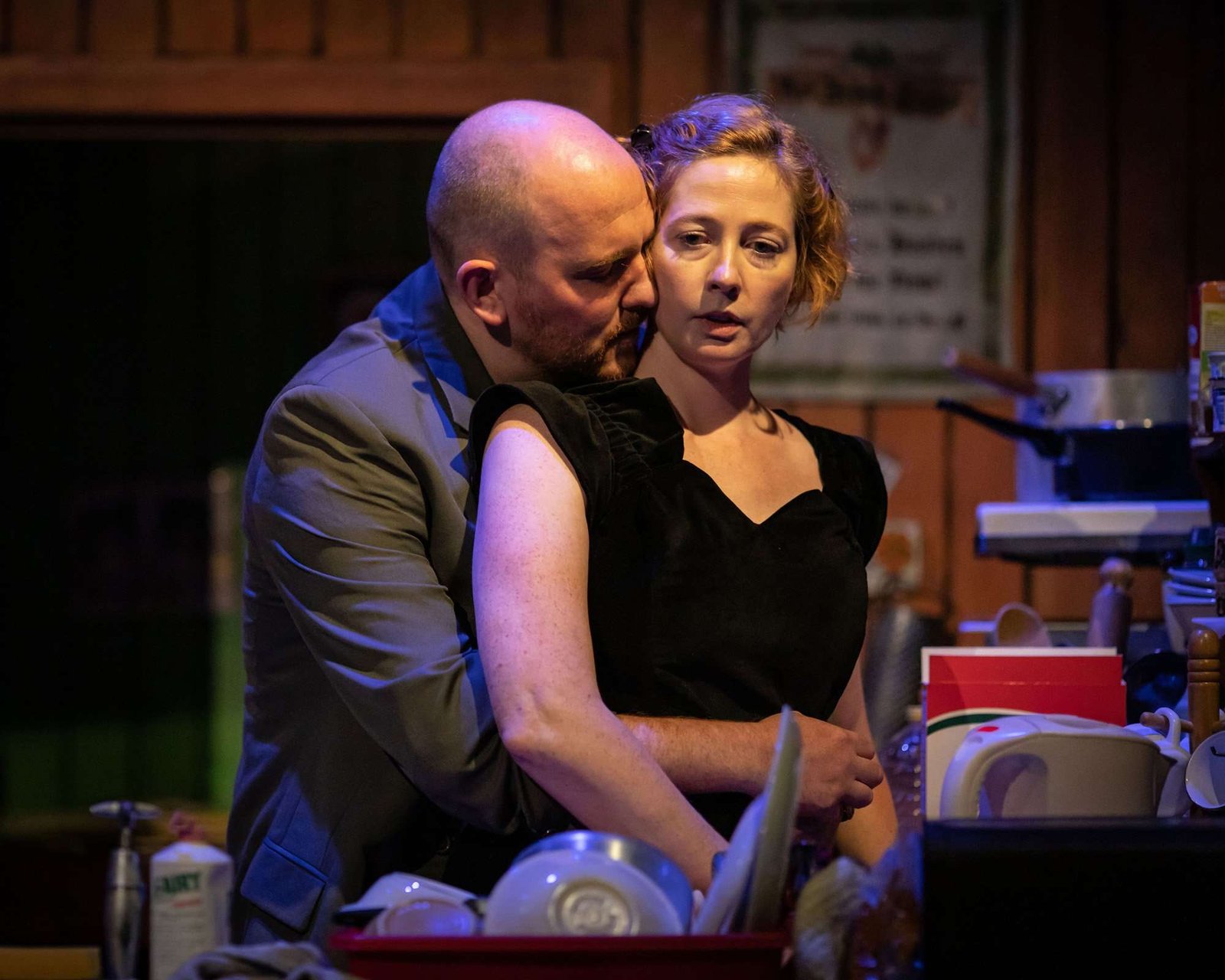
Chichester Festival Theatre’s first co-production with Lyric Hammersmith is arresting. However many times you see Martin McDonagh’s 1996 play about a mother and daughter viciously fighting their corners at home against a background of Ireland still bleeding into Britain and America, it packs a huge dramatic punch. As a gut-tearing tragedy it’s up there with the top ten.

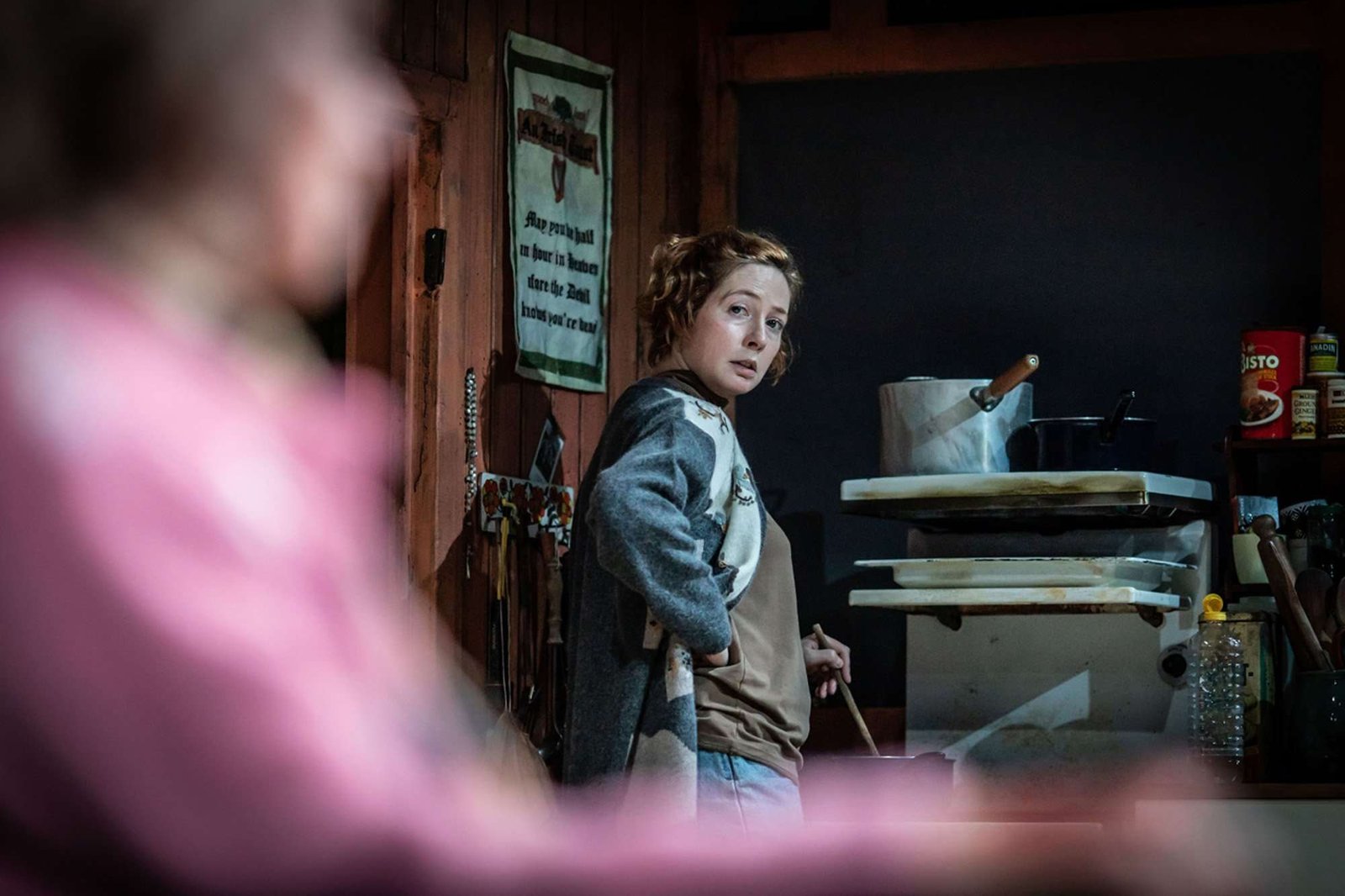
In this production director Rachel O’Riordan makes fine use of the Minerva’s square-ish playing space so that the action moves seamlessly from upstage to downstage with little sense of fourth wall – and the set by Good Teeth Theatre  connotes a shabby, lonely, small town, 1990s Irish home which is anything but cosy. Even a newcomer to the play will sense that the stove and poker aren’t being flagged up for nothing.

The emotions within that home are angry, violent, frustrated – and hopeless. We laugh at the truth of all that and at the blunt way the women speak to each other. The tragedy lies in the fact that – briefly – there is hope. Then it is snatched away.

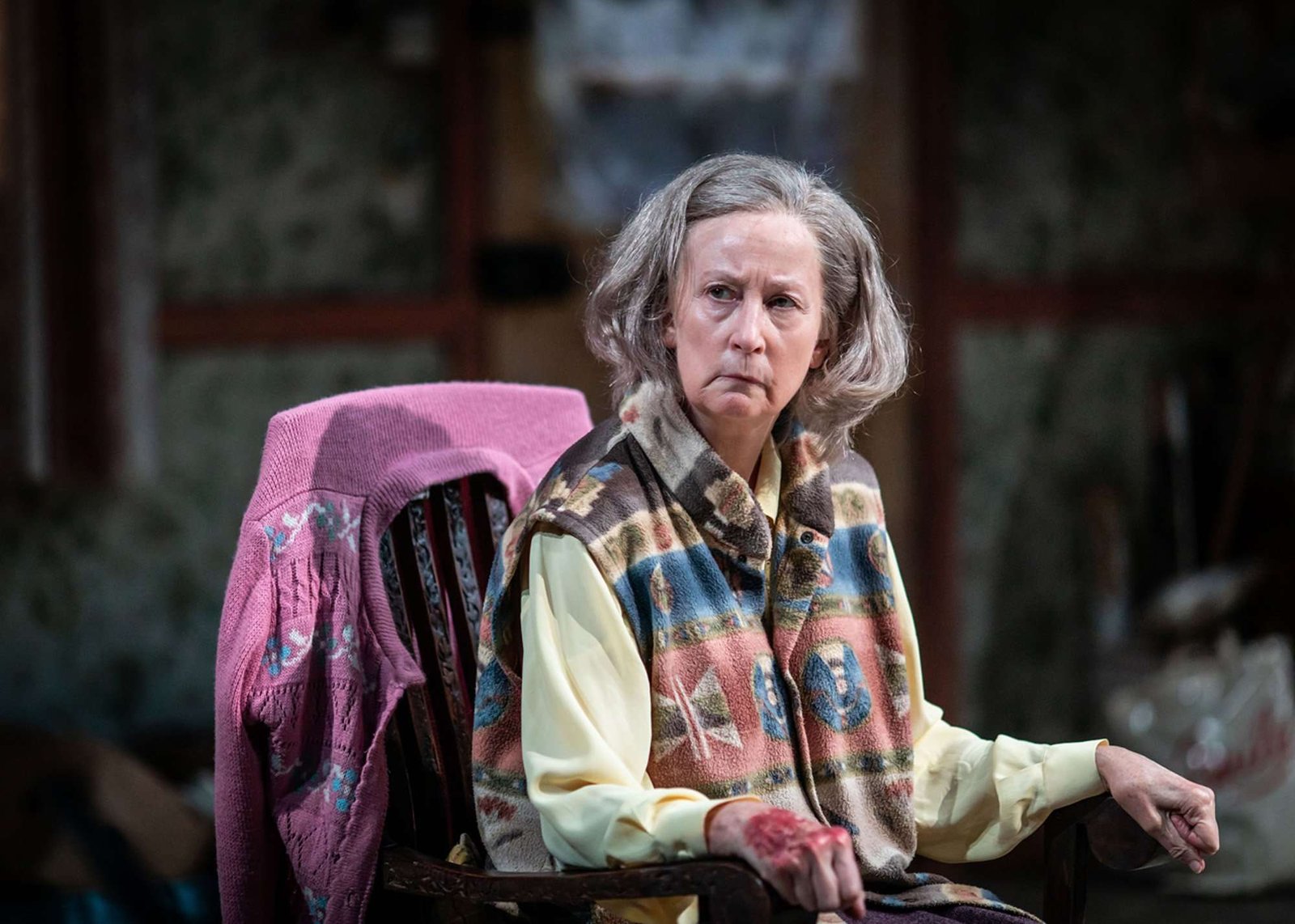
There’s a great deal of silent communication in this production. Ingrid Craigie as Mag can tell us almost everything we need to know just by glaring or simpering. As an elderly, semi-invalid mother she should invite sympathy. Actually she is a cunning, manipulative, selfish liar. She doesn’t deserve her fate but it’s hard to feel too sorry for her and Craigie, hobbling about – and demonstrably able to do more for herself than she does because she’s lazy –  gets that whining ambivalence perfectly. And you can almost smell her oft-mentioned urine infection.

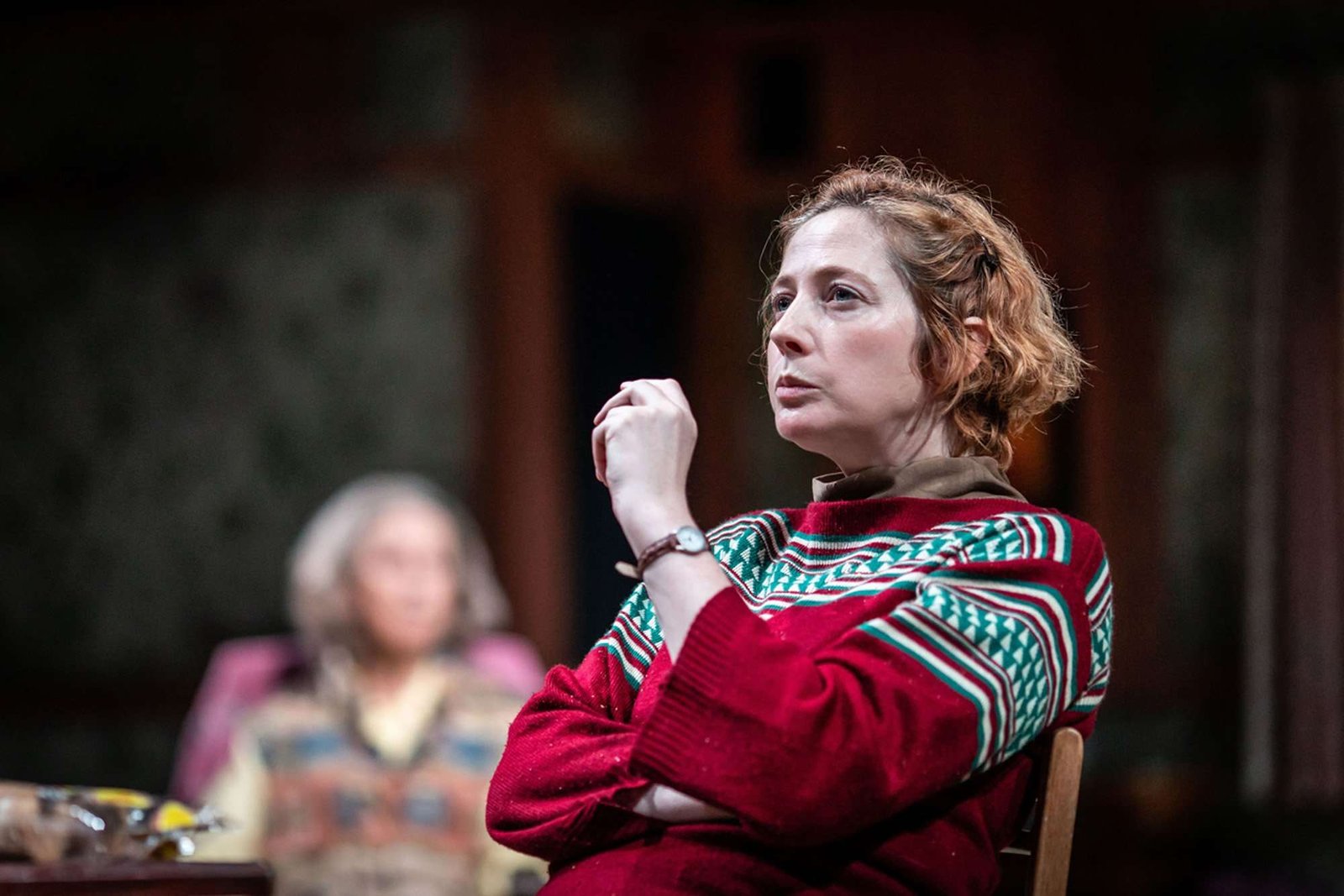
Orla Fitzgerald as Maureen, the long suffering furious carer/daughter, speaks volumes through her silences by banging cups of tea and bowls of lumpy Complan down for her mother. She ensures that we really do feel for her plight. These women may be mother and daughter but there is no love, affection or tenderness between them and that’s partly where the shock of this play comes from. It’s “unnatural” but oh so recognisable when two people are thrust into a situation like this and each of them has needs which the other can’t possibly meet.

There’s a lovely performance from Adam Best as the gentle, caring, not particularly confident Pete. The scene in which he listens to  Maureen poignantly explaining her feelings shows him really hearing her and it’s very moving. His letter writing soliloquy is deeply touching too. Kwaku Fortune, as Pete’s swaggering impatient, intolerant younger brother makes the best of his scenes with both the women and ensures that we see them from a different perspective. It’s a multifaceted play and this production stresses that.

Of course, the accents and dialectal syntax are strongly Irish which makes for occasional audibility problems partly because  the shape of the playing space actors are sometimes facing away from some of the audience. Occasionally it is difficult to tune into the pitch of the voices but that’s a minor gripe in what is, otherwise, a meaty interpretation of a powerful  play.

First published by Sardines: https://www.sardinesmagazine.co.uk/review/the-beauty-queen-of-leenane-4/

Prom 7th September Halle Orchestra Sir Mark Elder

In many ways this was the concert I’ve been yearning for. For eighteen long months I have hankered wistfully to be in a concert hall, packed to capacity with a large orchestra including double brass, sax, contrabassoon, tuba and lots of percussion. This one ticked all those boxes with two handed piano and the massive Royal Albert Hall organ thrown in for good measure.

It was very neatly linked programming too with Unsuk Chin’s homage to Beethoven subito con forza leading to Beethoven’s fourth piano concerto which used the Saint-Saens cadenzas as a pathway to the latter’s third symphony. Joined-up thinking was the order of the day.

Chin’s piece, commissioned for last year’s Beethoven celebrations but, perforce, not heard in the UK until now, is full of Beethovenian chords, cadences, rhythms and snatches of melody offered and then snatched away by a battery of percussion. It’s good fun, very ingenious and Elder ensured that we heard and enjoyed every strand.

It’s always a treat to hear Benjamin Grosvenor play Beethoven and an especial pleasure to hear the beautiful fourth which doesn’t get quite as many outings as the third and fifth. I liked the emphasis on the filigree texture in the first movement and the Elder’s cheerful focus on every orchestral interjection. Sir Mark smiles a lot from which I infer that he really is having as good a time as the audience is. In what was, a warm, friendly but unshowy performance there was gentle passion in the melodious adante with a moving segue into the last movement.

The Saint-Saens cadenzas were interesting but far too heavy and “Romantic” for what is, in essence a classical concerto, notwithstanding its unusual opening. I’m glad I heard them, and understand exactly why they fitted this context, but I certainly wouldn’t want them as my go-to version of this concerto,

And so to Saint-Saens in all his glory. The performance of the 1886 third symphony Organ was magnificent from its quavery first movement (I can’t be the first person to detect a nod to Schubert 8 in there?) to the marvel of Anna Lapwood, making her Proms debut seated at the organ a very long way from Elder at the front of the distanced Halle orchestra – whose pizzicato work, by the way, is exceptionally effective. Lapwood brought tender lyricism to the lovely melody in the poco adagio and then all the dramatic grandiloquence that the last movement requires. “Excitement” is an overused word but it really was extraordinarily exciting – almost awe-inspiring – to hear the Royal Albert Hall resonating to that huge sound as the final chords blasted over the timpani. If I were several decades younger I might say “wow!” and capitalise it.

First published by Lark Reviews: https://www.larkreviews.co.uk/?p=6631

Barefoot Opera Almeida Outside Orfeo ed Euridice/Zanetto 5th September (and touring)

This neat double bill sets a pared down version of Gluck’s 1762 three act opera alongside Mascagni’s 40 minute Zanetto (1896) and it makes a pleasingly accessible evening of opera, running less than two hours in total. Surtitles clarify the storytelling so that we can enjoy the musicality of the original Italian.

It’s an almost all female project too with an on stage band comprising Lesley-Anne Sammons directing the music from keyboard with Lucy Mulgan on guitar and double bass. The cast – three for Gluck and two for Mascagni – is all women too.

And that brings me to the glorious alto performance from Emma Roberts as Orfeo and then – a very different role – as the travelling musician, Zanetto. Roberts can really act convincingly which is vital in this bijoux performance in an intimately small space. And she is adept at carving out resonant low notes and making them speak poignantly. It isn’t easy to deliver a pot boiler like Che faro senza Euridice and carry it off as if it’s fresh because nearly everyone in the room has vivid sound memories of Kathleen Ferrier and Janet Baker. Roberts, however, does a fine job, packed with anguish as she mourns over the body of the now finally lost Euridice (Lizzie Holmes) and I was moved by her poignant ornamentation on the final repeat. In Orfeo ed Euridice we also hear/see Laura West, 19, as a silver-voiced, cheeky, smiling Amore. She has charisma already.

Lizzie Holmes comes into her own as Silvia in Zanetto. It is, of course, a very different musical world from Gluck and she gives us a lonely but very worldly “hostess” who finds herself drawn to the young musician who asks her for help. She is troubled by her own mixed feelings and her soprano singing usually supports that strongly. There’s some sensitive duet work with the Roberts as the insouciant Zanetto too.

Several things strike me about this enjoyable project. First, it’s a good showcase for the versatility of young singers because the roles they play in the two works are quite different. Second, I’m all in favour of chamber opera companies working in small spaces on low budgets because it makes opera available and affordable for people who simply can’t afford Royal Opera House, ENO or Glyndebourne. Third the two musicians wear white rather than black which makes a cheerfully fresh statement. Why should such talented people try to efface themselves in black?

First published by Lark Reivews  https://www.larkreviews.co.uk/?p=6628