Press ESC or click the X to close this window

Dennis of Penge (Susan Elkin reviews)

Show: Dennis of Penge

Society: London (professional shows)

Venue: Bridge House Theatre. 2 High Street, London SE20 8RZ

Credits: By Annie Siddons. Directed by Sahar Awad

Dennis of Penge

2 stars

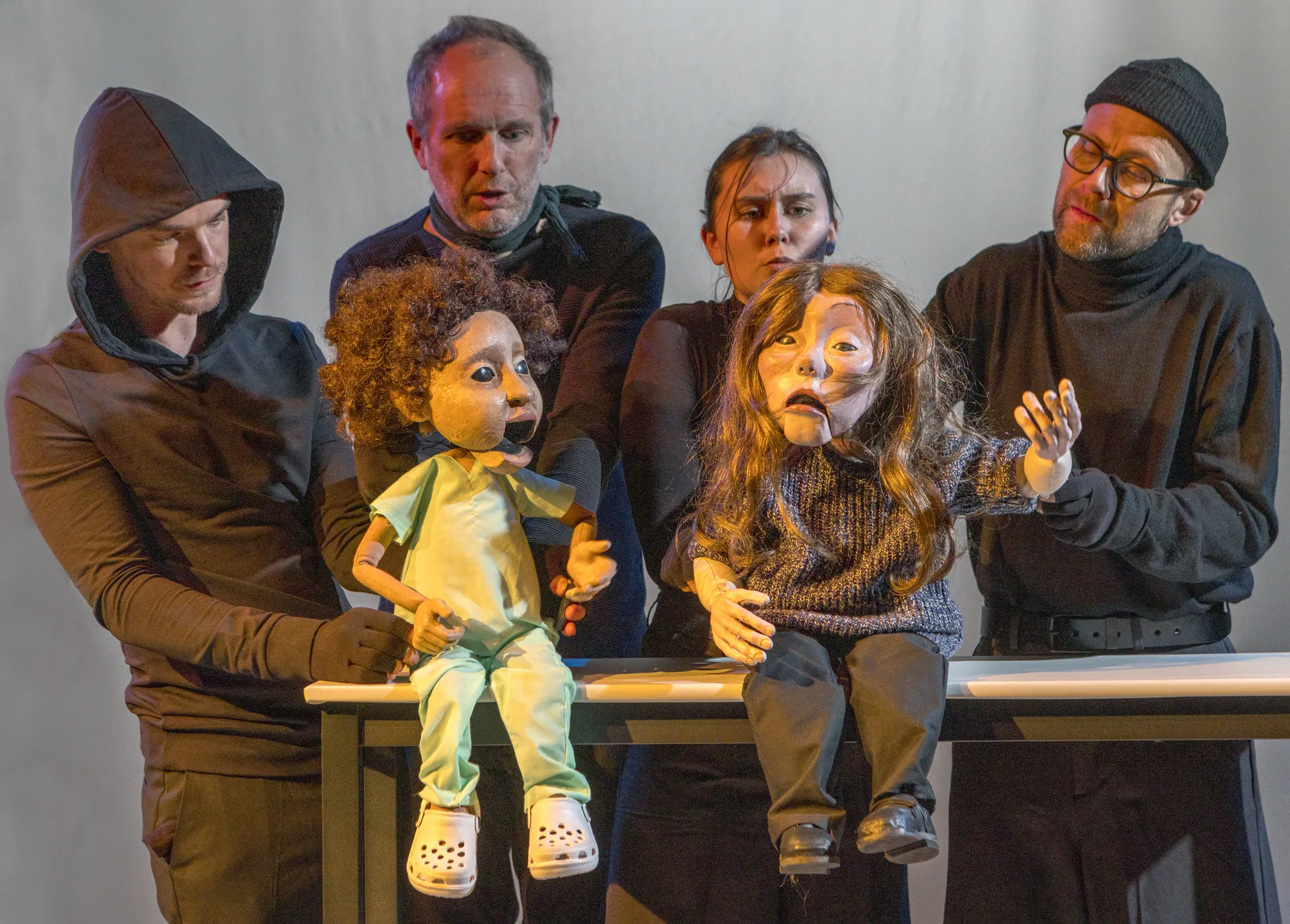
It’s fun to see a play whose setting is so local that you know every street corner, shop and pub mentioned – although it means that it would sit very awkwardly anywhere other than at the Bridge House which lies in the heart of SE20 where all the action takes place. It’s almost a site-specific piece.

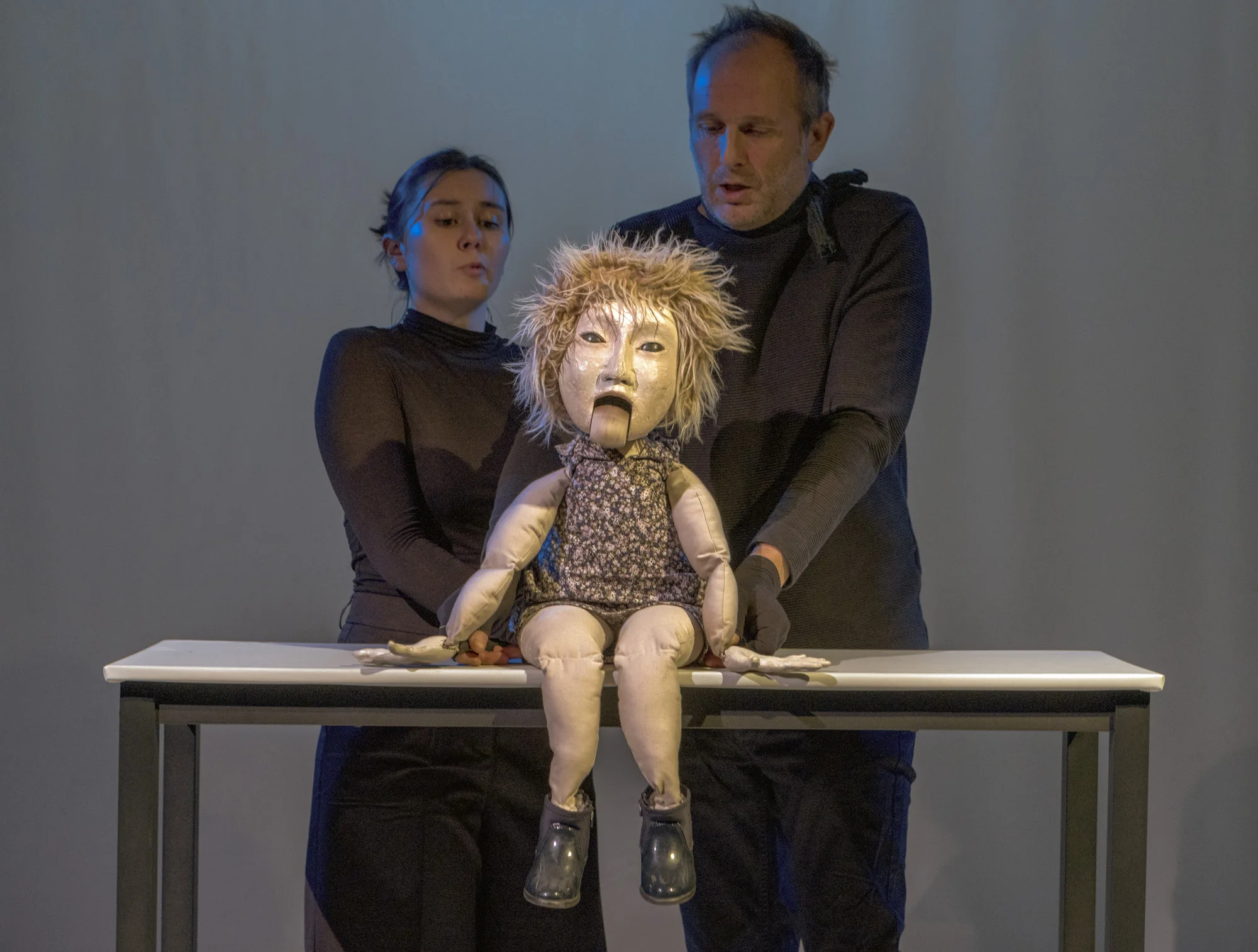
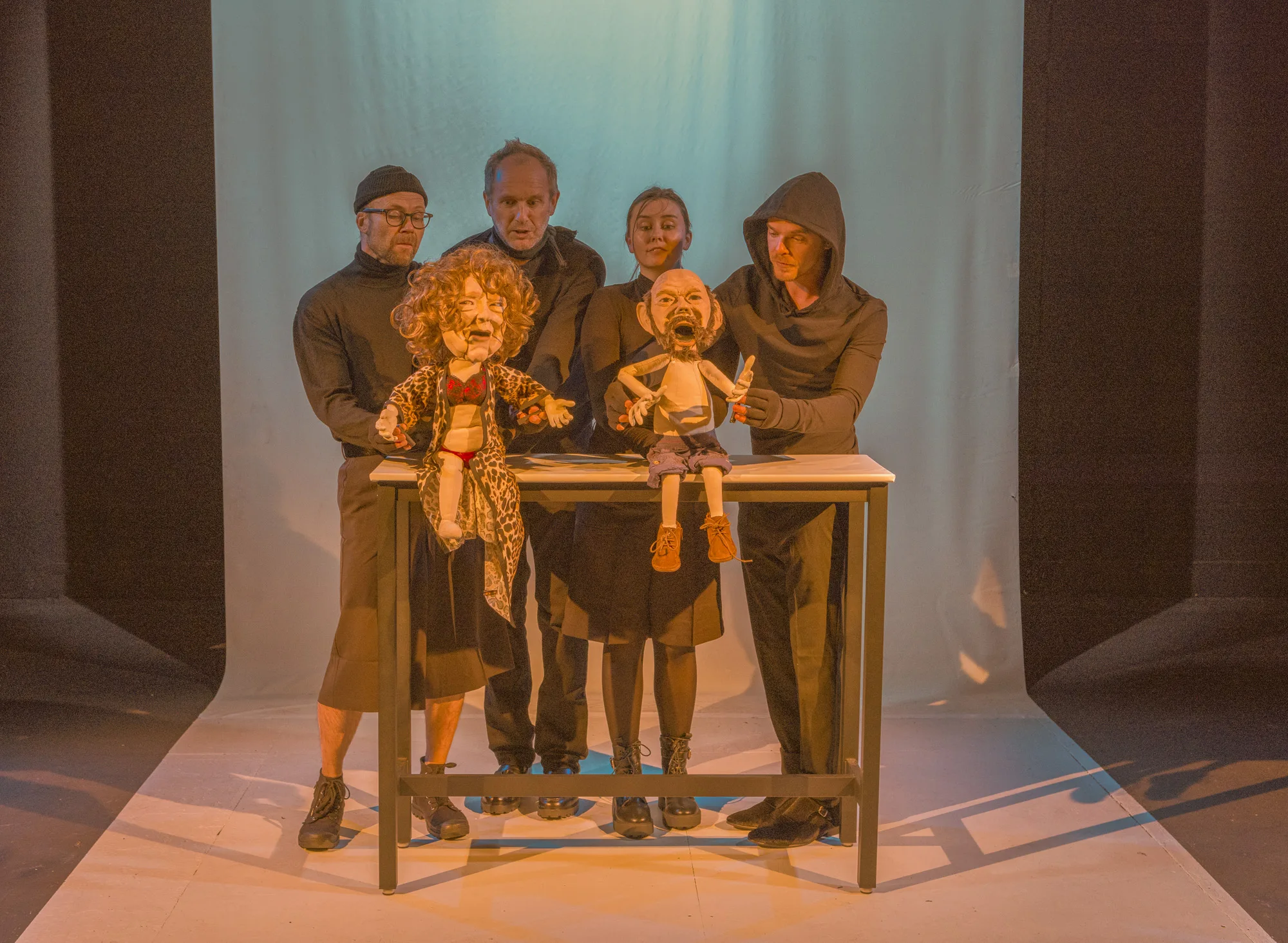
The author, a woman of Penge, writes in the programme that, in line with her own experience, this is a play about finding sobriety or freedom from addiction and telling the truth about how difficult it is. Actually it’s also about poverty, the shortcomings of the benefits system, friendship, identity, obesity, loneliness, marital fidelity, bullying, forgiveness, redemption and more. It’s ambitiously – perhaps over-ambitiously – complex both in terms of plot and style. The story is told by narrators who move in and out of the action and who speak – as in Greek drama – in verse.

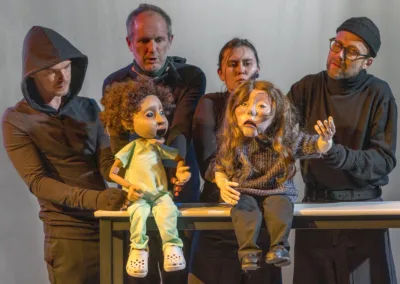
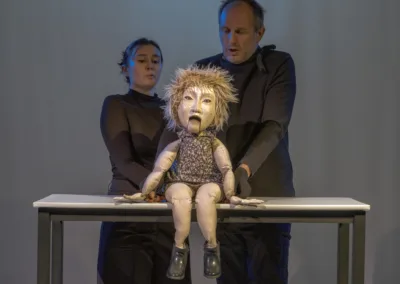
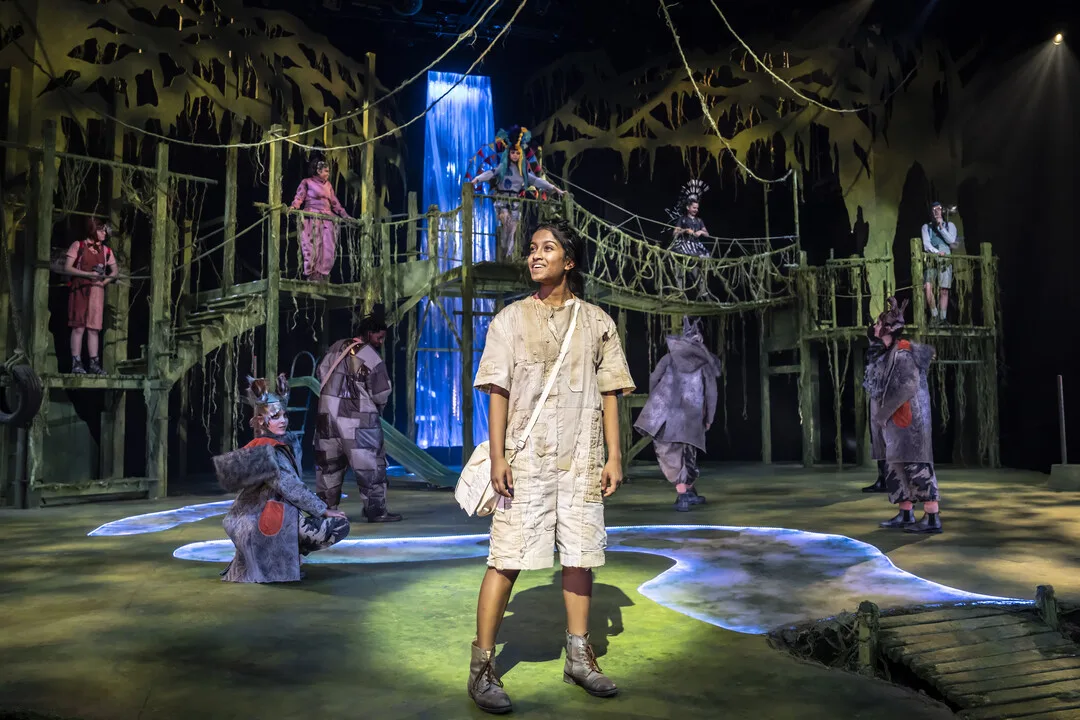
The eponymous Dennis (Wayne C McDonald) is a reworking of Dionysus, the god of transcendence and ecstasy. He appears first as a child who is best friends with a little girl named Wendy but no body knows where he comes from. Twenty five years later he is serving in a local fried chicken shop and meets Wendy (Mariam Awad) again. She is now seriously damaged, a recovering addict with no self-esteem or possessions and hands which tremble continuously. Awad is very convincing in this role particularly when she  eventually finds the courage to speak up for herself and others like her. In Dennis, McDonald finds plenty of gentleness, including some tender, fecund lechery (not with Wendy) and eventually a roaring, god-like power as he gradually develops into “The God of Lost Souls.”

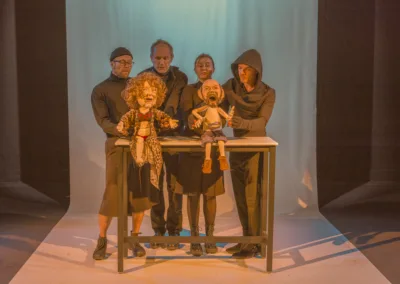
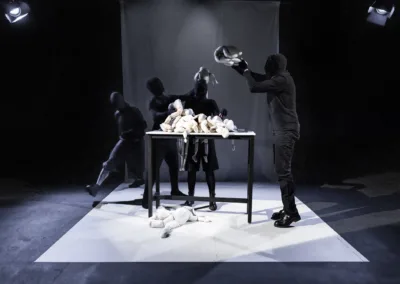
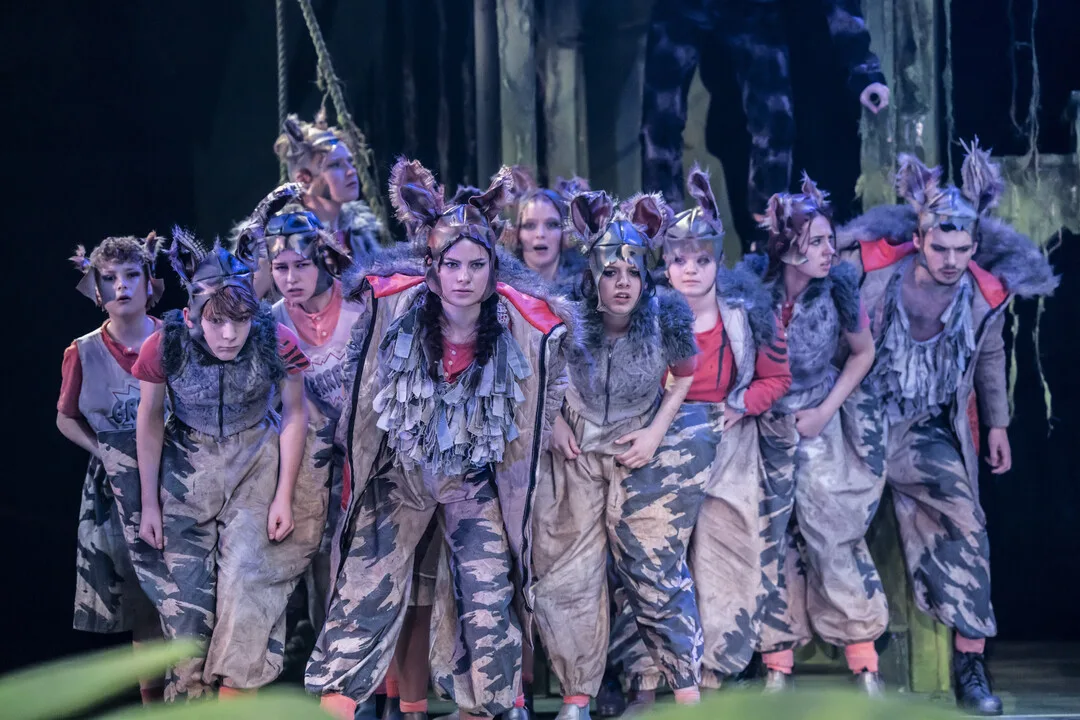
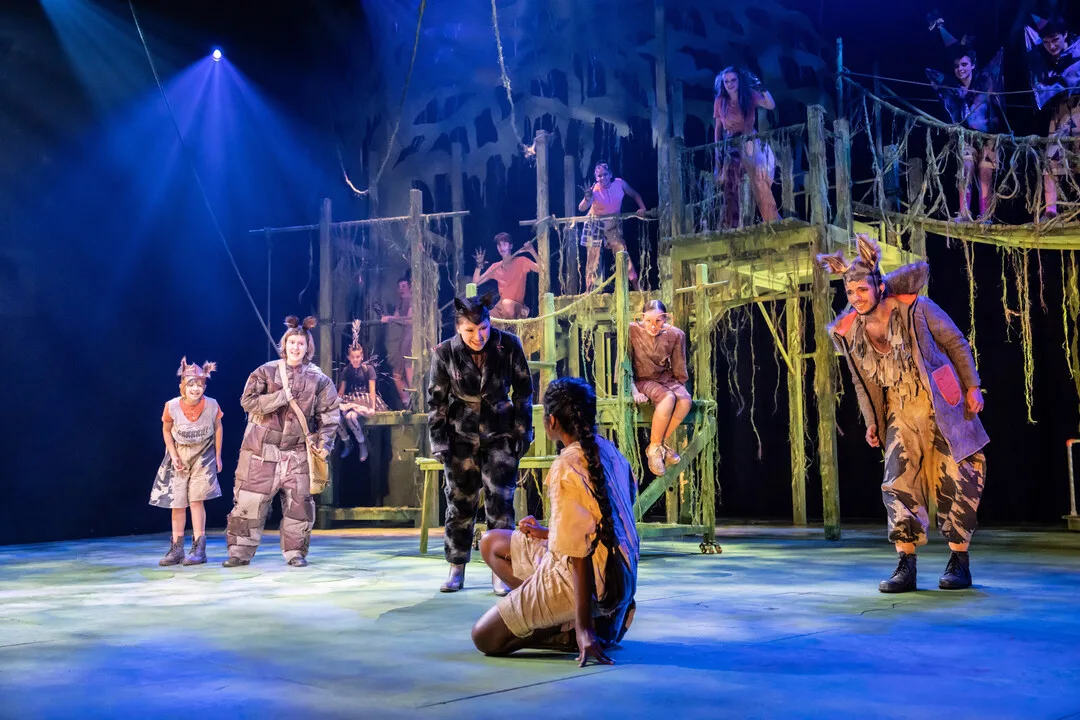
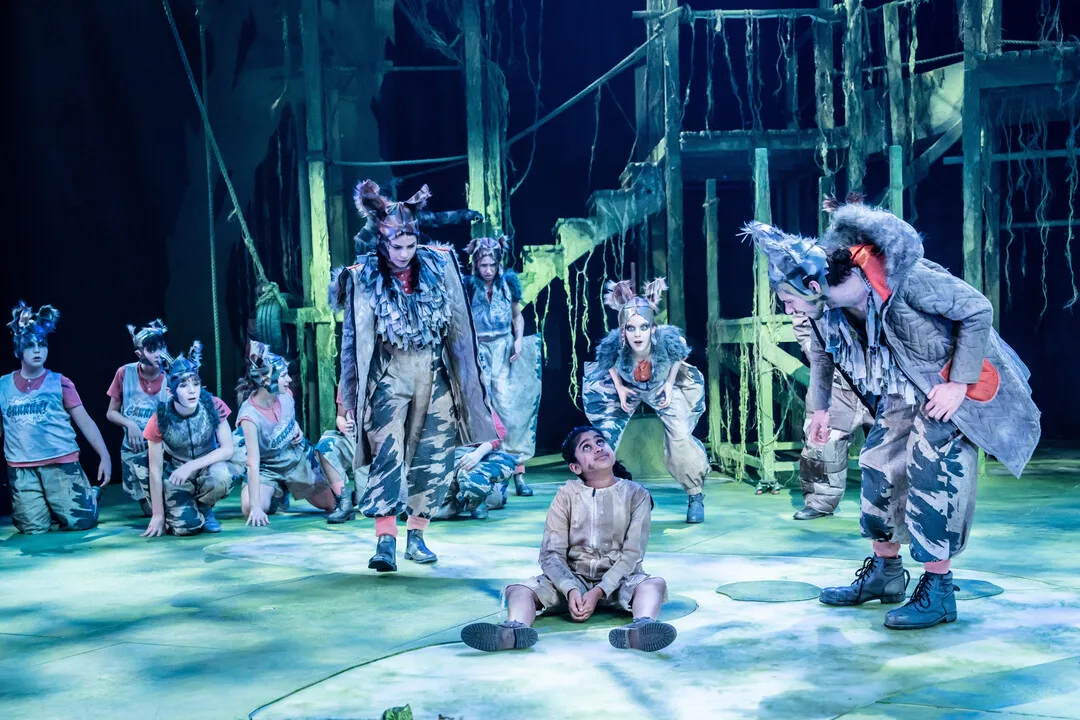
This play has the largest cast I’ve ever seen in a fringe show: twelve adult actors, two children, and three drummers who suddenly, rather oddly, appear ten minutes before the end as the play climaxes with a procession/demonstration on a megasaurus in Crystal Palace Park.  Many of these cast members are still learning their craft and for several, this is the first professional production so, inevitably acting – and especially the quality of diction – is variable.

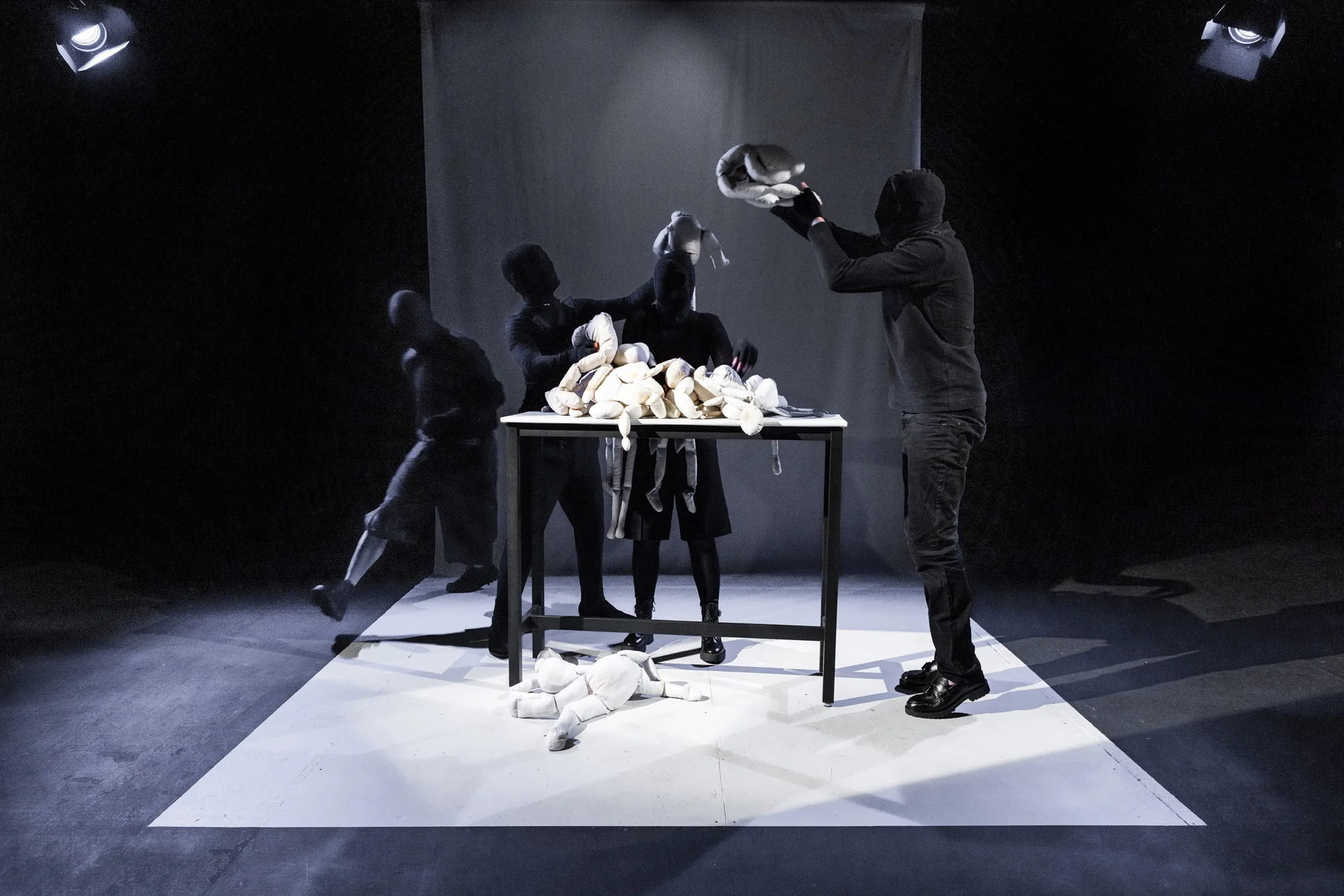
It isn’t easy, either, to direct that number of people effectively in The Bridge House’s small studio space so it often seems crowded. Moreover, the play consists of a large number of short scenes separated by brief blackouts during which you hear actors moving in and out of position. That feels amateurishly bitty. In most cases it would have been far better simply to move from one scene to the next.

There are some witty and memorable lines in this busy, intense play. “Sex, death, petrol and hope” seems a pretty fair description of life for some less-than-fortunate Penge residents and I chuckled over “So we [South Londoners] don’t have the tube but we have chicken. Chicken is the opium of the people”.


First published by Sardines: https://www.sardinesmagazine.co.uk/review/dennis-of-penge/


This novel was first published in 1968 which was about the time I got to know my soon-to-be mother-in-law cosily enough to swap reading recommendations with her. She was very taken with Dance of the Dwarfs. So I read it. Of course I had forgotten the details – all except the precise nature of the secret in the forest – so I was intrigued to return to it.

It presents a British botanist, Dr Owen Dawnay, doing field work in a very remote part of Colombia when huge tranches of central America were still very wild and there is dangerous hostility between political factions. Locals talk, and are frightened of, “dancing dwarfs” in the forest so they keep well away.  As a scientist, Dawnay is dismissive of such superstitions and curious to know what is really there. Eventually he finds out. No spoilers here, obviously, except for two observational hints. First, I remember learning a new (to me, then) zoological term from this book which I’ve found mildly useful ever since.  Second, reading Dance of the Dwarfs now, I am convinced that Geoffery Household (1900-1988) must have been nurtured on The Wind in the Willows. He’d have been eight when it was first published in 1908.

It’s a novel which begins at the end, as it were, with a report of Dawnay being found dead in his adobe house with his arms round a young female along with remains of two horses. It is presumed that  insurgents shot the humans and that the horses died of starvation but the bodies are too far gone to ascertain cause of death. Why moreover did the guerillas not steal the horses rather than leaving them? It doesn’t quite add up. Then Dawnay‘s journal emerges unexpectedly and that’s what forms the backbone of the novel so we know all along that we’re not headed for any sort of happy ending as we gradually learn what actually happened.

Well, of course you don’t have to like any first person narrator (think of Humbert Humbert and Lolita) I certainly don’t like Owen Dawnay.  He does far too much shooting of wildlife – some of it for pleasure rather than food – for my 21st century sensibilities. Moreover his “colonial,” patriarchal attitudes are pretty foul. He talks of “Indians” (the term at the time for the indigenous people) as if they were a separate race and when he is “gifted” a young woman, Chucha, to keep his bed warm he laps her up and keeps telling us how good the sex is. He is, however, also kind to her so that gradually, against his own will, he falls in love with her and is troubled about her future and his own. He really doesn’t want to pass her on to someone else when he leaves – although he has been approached. This is pretty revolting stuff by today’s standards so it’s strong characterisation. Interestingly, though, I don’t recall being struck by any of that when I first read it. I suppose it’s a sign of just how much more sensitive about these issues most of us are now – thank goodness.

Meanwhile, against a background of violence and people turning up on the doorstep with guns quite regularly and some deaths and disappearances, is Dawnay‘s quest, determination and to an extent courage.  At its heart Dance of the Dwarfs is a study of fear, especially of the unknown, and Household manages it perfectly. Sometimes science simply can’t outwit nature. The locals know that. And if Dawnay had listened to them he might have survived to live happily ever after (or something) with Chucha. But, until finally overwhelmed with terror himself he’s a fatalistic character, and it wouldn’t have been such an arresting novel.

Next week on Susan’s Bookshelves Someone at a Distance by Dorothy Whipple

Show: The Elephant in the Room

Venue: Theatre at the Tabard. 2 Bath Road, Chiswick, London W4 1LW

Credits: By Peter Hamilton. Produced by Clockschool Theatre. Directed & designed by Ken McClymont.

The Elephant in the Room

2 stars


High quality acting by a cast of eight, careful directing by Ken McClymont and a lot of humour does not save this bitty, puzzling, often incoherent play from mediocrity.

We’re in familiar nursing home/care home/retirement village territory. Think Richard Osman’s Thursday Murder Club or Alan Bennett’s Allelujah!. Ashley Davenport (Fraser Anthony – intelligently nuanced acting) is a young man from the upper middle classes who has inherited a fortune. Fresh from travels to India he has placed himself on a “spiritual path” and decides he wants to spend the rest of his life in a care home.
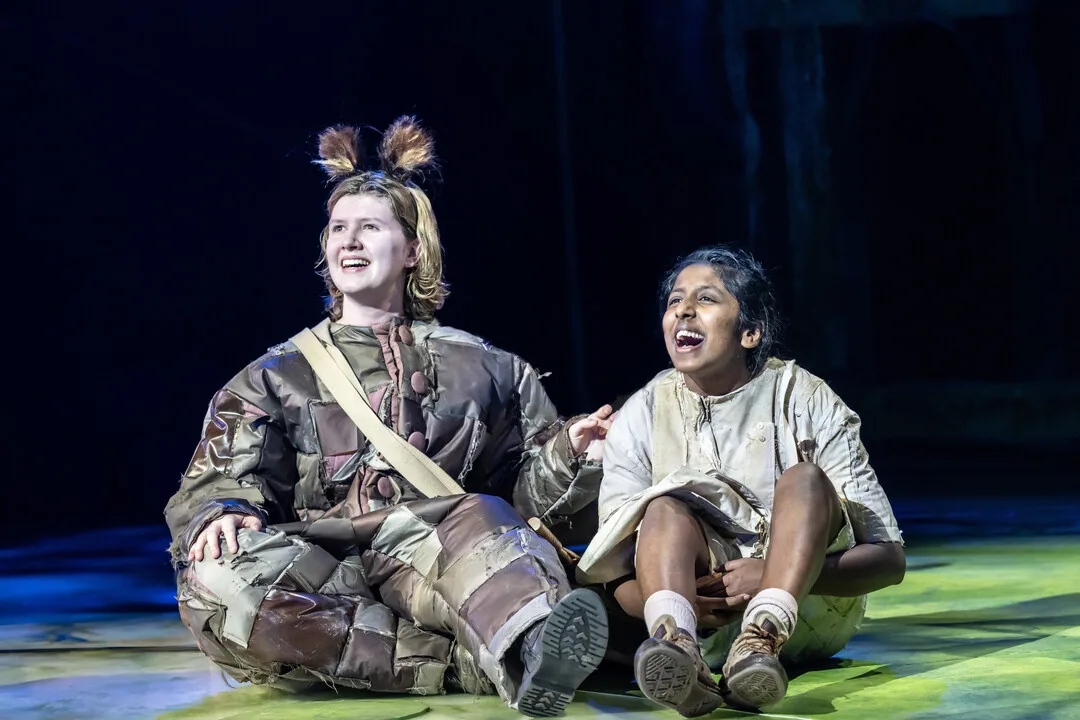
The scenes come thick and fast. First we get four residents in conversation – they are sharply drawn, talk in one liners irrespective of each other and it’s often very funny. “My first wife hid my bagpipes …” The comic timing is strong  especially from Craig Crosbie as Johnny Copthorne, the retired second hand car salesman and master of dodgy deals. Stephen Omer, as a life long depressive pessimist and retired librarian, provides an enjoyable dead pan foil. The Alan Bennett influence is very clear and these are the best bits of the play.

Then, for no apparent reason we cut to the young pair in the kitchen, both illegal immigrants and suddenly we’re in a completely different sort of play – sad back stories and desperation for British citizenship. Interesting but it just doesn’t flow or follow

And on it goes on – over-long for its subject matter and full of anomalies. Why does Miguel (Baptiste Semin – good) the cook from Brazil, conduct a full communion service with hymns? And why, when he’s full of ambition for a future in a famous hotel does he suddenly take his own life? Why is the play so relentlessly condemnatory of marriage?

Surreality and symbolism are all very well but I found the idea of going  euphemistically to the lilac room to die, failing to achieve it but coming back with helpful info from heaven an incomprehensible step too far. It doesn’t mesh with the rest of the play.

Then there are the elephants. Not the figure-of-speech sort.  These are the eating, shitting, noisy ones. Ashley is supposed, according to his great-grandfather’s will, to keep one (Indian of course) in the library of the house he’s inherited but these days it’s allowed to live in the park. Just to reinforce this McClymont gives us a lot of projection on back screens of elephant eyes, hide, feet and finally the full frontal view with trumpeting. It sits very oddly with the quasi reality of the scenes in the care home although I suppose the elephant in the room, idiomatically speaking, is impending death. Maybe the play is meant to be about mental breakdown. If so, it’s a rather unsatisfactory vehicle.


First published by Sardines: https://www.sardinesmagazine.co.uk/review/the-elephant-in-the-room/

 Subscribe 

The Drowning Girls

4 stars

CUE Theatre Company

Bridge House Theatre, SE20

Beth Graham, Charlie Tomlinson & Daniela Vlaskalic

This elegantly directed three-hander tells a horrifying true murder story with original, quirky resonance.

In 1912 to 1914, three women were drowned in their baths, in different parts of the country by the man they thought they’d married, George Joseph Smith, who was caught and hanged, had also conned several other women out of their life savings. The “Brides in the Baths” case was instrumental in driving forward the development of forensic science.

The Drowning Girls, imagines that the three dead women are a united trio cavorting, chatting and communing round a bath tub and, ingeniously mirrored on the back drop so that we can see them even when they’re facing away. Like sisters, they remember, tell their individual stories, act out scenes, compare their experiences and sing, hauntingly, the hymn “Nearer my god, to thee” a poignant version of which dominates the underpinning sound design. It’s a literally wet play, though. There’s water in the bath and a lot of climbing in and out. The cast must feel pretty cold and damp after 70 minutes.

It’s powerful, thoughtful material because it goes beyond the horror of what happened to these particular victims and reflects on a world in which unmarried women had little status and few options. A marriage offer – however dubious the proposer –  promised a much brighter future and there was a lot of insular, female naivety. Sadly, of course, there are still cultures in which this is the norm so this play has topical undertones and that point is subtly reinforced by the ethnic diversity of the cast.

And what a talented cast! Yiling Yang brings mournful stillness, Anamika Srivstava innocent liveliness and Qi Chen chilling resignation. There’s a lot of multi-roling as the story unfolds, done without fuss and subtly observed vocal nuance. These actors are, marginally less convincing when they’re playing men and there are one or two moments when you think “Eh? Who are we now?” but this is a very minor point.

Ranga Jayaratne is clearly an excellent director. I’d like to see more of her work very soon and I hope very much that this play, which has only a 5-day run at The Bridge House is revived more widely as soon as possible because it’s well worth seeing.


First published by Sardines: https://www.sardinesmagazine.co.uk/review/the-drowning-girls/

 Sub

This talk was prepared for Bromley U3A Theatre Group and shared with them at Bromley Little Theatre on 09 November 2023

What exactly do we mean by musical theatre? It is really a separate genre from other forms of theatre or have the boundaries now become so blurred that the distinctions are meaningless?

When most of us here were growing up, musical theatre meant Rogers and Hammerstein (or Rogers and Hart) or George Gershwin and we all knew were we were. In general it was relatively plausible, often hard hitting stories, Carousel 1945, for instance, deals with domestic violence in a tight New England community and The Sound of Music 1959 is about, among other things, resisting the Nazis in Austria while South Pacific 1949 explores race relations. We love and remember them for the glorious songs and tunes which have made them perennially popular but they’re none of them exactly light entertainment when you think about the subject matter.

At the same time of course, London theatre audiences were rejoicing in the much lighter but equally tuneful work of Sandy Wilson’s The Boyfriend (1953) and Julian Slade’s Salad Days (1954). I was too young to see either then but I remember my parents seeing and loving Salad Days. My dad then bought a ten-inch LP of the music to play on his newly acquired, beloved radiogram (remember those?). Our house resounded with it for weeks with the result that, young as I was, I soon knew all the songs.

All these shows consist of dialogue interspersed with songs to reinforce the mood, emotion, joke or simply to create a bit of all singing/all dancing theatrical spectacle. So is that what we mean my musical theatre? Well, it might have been then, but I don’t think it is now.

I think that musical theatre has actually become a huge all-encompassing term. Jesus Christ Superstar (1972), for example, was originally described as a Rock Opera. And it certainly includes opera conventions – it’s “sung though” for example. There is no spoken dialogue. At its best (and in that fabulous original production which I think I saw 3 times) it needs a big orchestra with most of the instruments you find in a symphony orchestra along side those extraordinary electric guitars. So is it an opera or is it musical theatre?

Remember too that “grand” opera isn’t necessarily sung-through. The Magic Flute has a lot of spoken dialogue – originally in German, not Italian. So are the operas of Offenbach and Gilbert and Sullivan – please don’t let’s patronisingly call them “operettas”. So, the distinctions are pretty blurred.

Stephen Sondheim who died two years ago in 2021 changed the direction of musical theatre, of course.

His work relies on harmony, nuance, repetition and words rather than melody and, as we all know it can be immensely powerful. Think of Judi Dench singing Send in the Clowns from A Little Light Music. Or hilarious – think of Angela Lansbury (or one of the many who’ve done it since) singing The Worst Pies in London from Sweeney Todd.

In general, most of the new musicals I see these days are in this style – a lot more Sondheim than Rogers and Hammerstein. You might come out moved and impressed but you won’t be humming.

I would argue that musical theatre is any kind of theatre which uses some music for any purpose. Opera, therefore, becomes a subdivision of it along with, for instance, pantomime, “straight” plays which feature a few songs and much more. And just to complicate things still more we have musicals like Miss Saigon (1989) which is based on Puccini’s Madame Butterfly (1904) and no one would argue that Madame Butterfly isn’t an opera.

Of course there are different sorts of musical theatre. In recent years we’ve got very used to the “juke box musical” in which songs are picked – often they’re by a particular group or band – and then a story contrived around it. Mama Mia, is of course, one of the most successful examples of that. The story about Donna’s three ex-lovers actually works quite convincingly as the ABBA songs keep on coming. The juke box thing can work. Our House, which features Madness songs is quite a good show too.

On the other hand, the results can be pretty dire. I recently had the good fortune (or something) to see Twiggy: the Musical at Menier Chocolate Factory.  Now I have a lot of respect for Twiggy who clawed herself out of a “working class” background to become a world-famous model, then actor and generally good guy. As a character in this show commented “And she even saved Marks and Spencer”. Yes it’s a rags to riches story but that’s not enough to make a good musical especially if you try to bulk it out with things like Bernard Cribbin’s “Right Said Fred” – well done but almost unbelievably incongruous like most of the songs which were clumsily bolted in. I was sitting next to a youngish barrister and his wife. When he realised what I was doing (the notebook and pen is a giveaway) he asked me what I thought of the show. It’s a “so what?” show I told him. Yes, it’s an inconsequential story and I had to give it just 2 stars.

I saw a similar one at Stratford East a few years ago about Dusty Springfield. Yes, there’s more to her life than to Twiggy’s – more ups and downs – but it failed for me because although we got a lot of her songs the actress playing her didn’t sing them as well as Dusty Springfield did.

And what about the relationship between musical theatre and film? Back in the day, the stage show came first and if it was successful a film might be made. West Side Story, for instance landed in Washington, Philadelphia and on Broadway in 1957 – reaching London the following year. The film that we all know, and love was released in 1961 – followed 60 years later by a new Spielberg version on 1921. But it began life on stage.

Or take The Sound of Music which opened on Broadway in 1959 and arrived in London in 1961. The film – which holds records for being the most watched film of all time – came four years later in 1965. Again it began life with its feet firmly on the stage.

Or course there have been other stage to screen examples since but the trend now seems to be firmly the other way round possibly because of the failures. Cats, for instance, which dates from 1981, is a wonderfully powerful show with a score to die for but the 2019 film flopped dismally.

I often review productions of –  to cite just a handful of examples Shrek, Little Shop of Horrors, 9 to 5, Priscilla Queen of the Desert and The Producers – all based on films. And I think it’s because the people who invest money in these projects think, probably rightly, that if film has been successful people will recognise the name and are therefore more likely to buy tickets for a new show if it sounds familiar.

But we regular theatre goers know that it doesn’t always work. I thought the 2005 Kinky Boots film starring Chiwetel Ejiofor was excellent. Moving, thoughtful, quirky, very human and what an actor!  But why, if it transfers to stage, does it have to be a musical? Don’t we value “straight” plays any more? I’ve seen Kinky Boots: the musical several times and I honestly don’t think the music adds anything.  I feel the same about Calendar Girls and Tim Firth’s musical. It was a fine film – and of course, a wonderful true story. It doesn’t need music to enhance it. Such music is usually pretty unmemorable anyway. If you’ve seen Kinky Boots or Calendar Girls I defy you to sing me a single number from either. But I bet you could sing me lots of things from Jesus Christ Superstar, South Pacific, HMS Pinafore or Mary Poppins.

Another whole tranche of musical theatre shows are based on books without having to be films first and they are, of course, some of the most successful musicals ever.

Take Oliver! the 1960 musical which is VERY loosely based on Charles Dickens’ s 1937 novel. Yes, it’s a very good show and I bet everyone of us in this room could sing every number, but I was an English teacher long before I became a journalist and theatre critic and I have to point out that the musical uses only half the novel and completely sanitises the character of Fagin – it used to make an interesting discussion point with my students. We’d read the novel, watch the 1966 film of the musical, and discuss the differences. Dickens repeatedly calls Fagin “the merry old gentleman” because we are seeing him through Oliver’s very naïve eyes. In fact, Fagin is a ruthless villain who will stop at nothing, absolutely nothing, for his own advantage. And the 21st century reader – given that the slimy old man is cooped up with all those boys, will probably detect a whiff of paedophilia too. At the end he goes to the gallows and good riddance. I honestly think that Lionel Bart and co misread the novel, didn’t understand the Dickensian irony and mistook Fagin for “a merry old gentleman”. Witness the way he dances away singing, scot-free at the end of the musical. Brilliantly clever though to build his famous song “I’m reviewing the situation” around accelerating Jewish klezmer rhythms. It’s the sort of thing good musical theatre can do magnificently.

I digress – although Les Miserables (1980), let it be noted, is similarly very selective with Victor Hugo’s 1862 novel. There are, of course, some book musicals which stick fairly closely to the source material, present some quite tuneful music, and draw audiences consistently. Why else has Matilda the Musical proved so enduringly successful? Like Les Miserables, it was originally an RSC show. It opened in Stratford in 2010 as their Christmas or family show for that year. I remember Charles Spencer, then Daily Telegraph lead theatre critic writing at the time. “I think the RSC might have a hit on its hands” How right he was. It transferred to the Cambridge Theatre in London and has been running there ever since. Roald Dahl still cuts the mustard especially with Tim Minchin’s music.

Actor musicianship has caught on in a big way in recent years. It’s usually people who can play one or more instruments quite well but who don’t have what it takes to be a full time musician or aren’t quite at virtuoso standard. Instead, they go into acting and the music is a big additional selling point when they go for jobs – you could almost say “a second string to the bow” (sorry – I couldn’t resist that.)

Known colloquially in the theatre world as “actor-musos” these people are very employable. I’ve seen whole musicals in which all the music is played on stage by the cast who become a band when they need to and provide sound effects on their instruments. Equally it can be a more or less “straight” play like The Beekeeper of Aleppo which I saw at Nottingham Playhouse earlier this year with some occasional music.  Many children’s shows are done with a cast of actor musos – I have fond memories of Hetty Feather, for example which is based on a Jaqueline Wilson novel. And what multitasking skill actor-musicianship takes. Not only do you have to play a character convincingly, but you also have to manage your cello or trumpet, having not just learned your lines but also the music because music stands don’t fit the action. Typically, these talented people play several instruments and will even learn them especially if a job requires it. I once saw at Theatre Royal Margate, a young actor competently playing the accordion on stage in a Christmas show. I knew she was a pianist and clarinettist. When I interviewed her later, I asked her if she’d played the accordion before. “No” she said “But the director wanted it so I just asked him to give me a couple of evenings to sort it out”

Given the popularity of musical theatre in all its forms, it is not surprising that nearly all the major drama schools are offering degree courses in it – from Royal Conservatoire of Scotland and Liverpool Institute of Performing Arts to RADA.  There’s even one at Royal Academy of Music.  There are musical theatre degrees offered at places such at Trinity Laban in Greenwich and Bird College in Sidcup too. The last decade or so, moreover, has seen the emergence of actor musicianship degrees as well – Guildford School of Acting, Mountview in Peckham and Rose Bruford College, just down the road from here in Sidcup, for example.

Last month a show starring Brian Cox opened at Theatre Royal Bath. It is called Score and it’s about JS Bach. I haven’t seen it but would very much like too so I’m hoping it will transfer – the reviews were encouraging. Given the subject matter it contains a lot of music as another play about Bach – Bach and Sons by Nina Raine with Simon Russell Beale did at the Bridge Theatre a couple of years ago. These are plays about music as is Amadeus (did anyone else see the original cast led by Paul Scofield back in 1979?) and Claire van Kampen’s fine play Farinelli and the King with Mark Rylance in 2015. Plays about music and musicians are at the opposite end of the spectrum from Aida or Guys and Dolls but I still regard it as a form of musical theatre.

So of course, is pantomime – that peculiarly British art form which used to be a new year, January tradition and is now firmly associated with the run up to Christmas. People tell a story with dialogue and punctuate it with song and dance most of which has very little to do with anything but if you’re a panto fan that’s all part of the fun, I have to come clean and admit that it’s not my favourite thing. And I’ve reviewed literally hundreds of them over the years. As a child – I’ve always been a words/story sort of person – I used to wish they’d stop being silly and get on with the story. I was happier then – and in all honesty I still am – if they took me to see a different sort of Christmas show with a proper story. But of course, even if it was The Wind in the Willows or a non-panto account of Peter Pan – there was always music which added a lot of value.

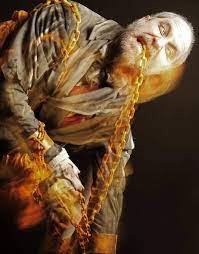
Last year, for example, I saw two musical theatre versions of A Christmas Carol. One was performed in a church in Brighton by the brass players of Brighton Philharmonic and beautifully narrated by Roger Allam. The other was performed by a company called Antic Disposition in Middle Temple Hall. In both cases we got carols and seasonal music woven into the action – and everyone had fun at Mr Fezziwig’s party. And I would suggest that both shows were definitely musical theatre – just a different form of it from Evita or Crazy for You.

 In conclusion then, I think Musical Theatre is a very broad church. Drama and music have been connected probably for as long as people have been performing to each other. Often, but not – as I have tried to show – always words and music enhance each other to create something which is bigger and better than both.  But we do well to remember that there are many forms of musical theatre and you can’t always force them into watertight categories. Rember this, maybe, the next time someone says to you sniffily: “I don’t like musicals”. Ask them what exactly it is they don’t like!

Photo credit: English National Opera production of Iolanthe.


Show: Hot Orange

Society: London (professional shows)

Venue: Half Moon Young People’s Theatre. 43 White Horse Road, London E1 0ND

Hot Orange

4 stars

Susan Elkin | 14 Nov 2023 11:09am


Directed by Chris Elwell.

Explorative, immersive theatre for adolescent audiences, set in their own local environment, is a central plank of Half Moon’s work. And the plays get ever more interesting and challenging.

Hot Orange, a 60 minute one-act play, explores a possible same- sex relationship which grows out of childhood friendship and is potentially unacceptable to the communities these characters live in, partly because of racial and cultural differences.

The story emerges in very convincing flashbacks which include poetic monologues delivered straight to the audience so they’re effectively soliloquies. The two actors move amongst and around the audience who are seated on boxes which are part of the set, or on the floor. The props are minimal (design by Sorcha Corcoran) but are handed, without fuss to  audience members to hold when they’re not in use. The two school parties, all girls, that I saw the show with took this totally in their stride as they did being gently moved from their seats when one of the performers needed the box to stand on. The directing is impressively seamless.

Tandeki (Tatenda Naomi Matsvai, who also co-wrote the piece) and Amina (Yasmin Twomey) first meet in Peckham when they’re eight although the piece opens with an awkward account of an encounter ten years later when they haven’t seen each other for a long time.  They play imaginative games and eventually discover basketball together: the ball is the titular hot orange with parallel reference to the sun because the action takes place over a series of summers. They make heart-felt promises to each other, as children do, but eventually it goes wrong, partly but not entirely because Tandeki’s family move away. There are issues which relate to Amina being a Muslim and Tatenda’s growing up in an evangelical Christian household which includes three weeks’ “church camp” in the summer although, tellingly, these are not differences which bother the central pair themselves much.

Matsvai, whose voice work and movement are richly compelling is a charismatic actor to watch who conveys exactly the right level of innocent childishness and then, later, the near-adult hurt and angst. Twomey makes Yasmin, a gentler, less pushy character but she conveys a real sense of warmth, vulnerability and eventually strength. Both performances are skilfully nuanced and these actors work adeptly together.

The action is subtly underpinned by Johnny Tomlinson’s sound design which provides a lot of mood and atmosphere without ever being overbearing.

I overheard one of the accompanying teachers tell a theatre staff member at the end, after the ten minute Q/A with the performers, that his students would have a lot to discuss when then they got back to school and that he would share it with the theatre. Yes, this play is going to engender some rewarding debate and, no doubt, some fascinating writing. So Half Moon has achieved what the play sets out to do – again. Well done, all.


First published by Sardines: https://www.sardinesmagazine.co.uk/review/hot-orange/

Beethoven Mass in D Major – Missa Solemnis Op 123

 St John’s Church Hastings     Saturday 11th November 2023

Hastings Philharmonic Choir and Orchestra

Conductor:  Marco d Silva

Soloists:

                Helen May                                           Soprano

                Marta Fontanals-Simmons          Contralto

                Leonel Pinheiro                                Tenor

                 Edwin Kaye                                        Bass


The Missa Solemnis is a monumental work. It was composed slowly durin Beethoven’s final decade, and has inevitably been compared to the ground-breaking 9th Symphony or late quartets. Vincent D’Indy wrote that “We stand in the presence of one of the greatest masterworks in the realm of music”.  One critic has suggested  that it is ‘a work so intense, heartfelt and original that it nearly defies categorization’ while another felt that ‘to those for whom Beethoven’s music is an important reason for living, the Missa Solemnis belongs at the centre of their experience – a work to respect, certainly, but still more to love.’ 

Once described as ‘ the greatest work never heard’, the Mass is not performed that often, particularly by non-professional musicians who are perhaps discouraged by the apparent need for vast forces and the relentless musical demands. More credit then to Marcio da Silva  and the Hastings Philharmonic Choir and Orchestra for rising so brilliantly to the challenge and producing a superb performance. A choir of around 60 and an orchestra of 34 provided an insight into the subtleties and details of the work often concealed by more gargantuan performances, which can be dominated by rhythmic inflexibility and ‘can belto’ singing throughout.

The four soloists sang with great poise and immaculate tuning; in a work where there are few opportunities for individual vocal bravura, they demonstrated precise and sensitive ensemble singing, especially in softer, more serene moments, with a particularly fine performances by soprano Helen May and tenor Leonel Pinheiro, well supported by Marta Fontanals-Simmons and Edwin Kaye, both of whom adopted a more gentle approach to their parts. The balance between soloists, choir and orchestra was also masterful and says much for the conductor’s control of his forces, with the solo voices often floating out from the mass of orchestral and vocal sound.

The richness of the orchestral playing was evident from the very start of the Kyrie, supporting both lyrical and dramatic, at times even forceful singing from both soloists and choir: throughout the performance, high entries and top B-flats were executed in an effortless way by the choir, without any signs of strain and showing a real purity of tone. Mario da Silva likes fast tempi, and the opening of the Gloria was thrilling; I liked his ability to reflect the almost Brahmsian rhythmic ambivalence in a work which can too easily be dominated by a strict adherence to time signatures (particularly the repeated use of 3/4). The orchestra and choir also managed difficult runs with real expertise, while the fugue at the end of the Gloria was dramatic in its treatment of the musical themes. Occasionally, the orchestra, small as it was, was a little overwhelming (possibly a result of the generous acoustic of St John’s Church) and I did feel that there was some lack of tonal variety – but this may well be inherent in the writing. That said, the string and brass playing was beautifully controlled, while the woodwind interjections and ensemble sections added to the overall colour. The Credo provided more variety in textures, with some sublimely lyrical singing by the soloists and the rapid modulations in certain parts were handled in a relaxed way. Fast passages for choir and orchestra showed remarkable discipline and control, while the timpani part throughout the work added to the drama and climaxes.

The adagio section for the soloists at the start of the Sanctus had a relaxed intensity about it, while the choir tackled the speedy allegro with excellent articulation in the semi-quaver runs, with real drama in the final Osanna. There was a little uncertainty with the chromatic harmonies of the orchestral Preludium, but this was more than compensated for by the exquisite violin solo in the Benedictus, one of the high points of the performance, balanced by the calm and unforced solo bass of Edwin Kaye. The choir and soloists responded well to the variety of pace and the harmonic complexities of the Agnus Dei, leading to some thrilling climaxes and the surprisingly calm, almost abrupt ending – and there were few signs that they choir had tired at all, relentlessly demanding as the work is.

A large audience almost filling the Church was able to appreciate a fine realisation of this demanding but somewhat puzzling work. All those involved showed the utmost musicality and Marcio de Silva and his choir and orchestra are to be congratulated on such an impressive performance which highlighted not only the grandeur of the work, but its overall form, structure and detail.