Press ESC or click the X to close this window

Susan’s Bookshelves: Knowledge of Angels by Jill Paton Walsh


When Jill Paton Walsh, who died last year, wrote this novel she was already a well established and respected author of books for both children and adults with titles such as the fondly remembered A Parcel of Patterns and Fireweed to her name. But in 1994  no one wanted to publish Knowledge of Angels so she self-published it – and it was shortlisted for that year’s Booker Prize, thereby vindicating her and making publishing history. Of course, it was taken up by a mainstream publisher from then on. I read it at the time – with admiration – and am now fascinated to return to it.

So what was the problem? I suspect there were misgivings because Knowledge of Angels is a seriously grown up (not “adult”) novel which poses many questions on a whole range of levels. Many of these questions are about religious awareness and I suppose it was deemed too “difficult” or esoteric for the general book-buying public.

In truth it’s not difficult at all but it certainly leaves you plenty to reflect on. In one sense it’s a fable about outsiders, insiders, communities and immigration – pretty topical in 2021. Occasionally it reminds me of Voltaire’s Candide.  We’re on a Mediterranean Island (take your pick) called Grandinsula at the time of the Inquisition – probably in the fifteenth century well before the Reformation. Two things happen. First a swimmer is rescued.  He comes from a country none of the Islanders or church dignitaries has heard of – where people are free to choose a religion or do without one. Second, some shepherds find a wild, bent, hirsute female child who has been raised by wolves and lives as one to such an extent that she has been  savagely stealing their lambs. Eventually Severo, the local Cardinal, asks a group of nuns to care for and tame the child, whom they name Amara, without ever mentioning God. He wants to know whether understanding of, and belief in, God in innate or whether it is learned. Meanwhile extensive discussions with, and interrogations of  Pallinor, the atheist washed up on their shores continue. He’s a nice chap and Severo comes to like him but then the Inquisition gets wind of what’s going on and proof, or not, that religious awareness is inborn suddenly isn’t enough.

The whole novel – written with immaculate spareness – is, in a sense a plea for tolerance which we now need more than ever. It’s timeless. People are still being killed for their religious differences.  Rationality remains resolutely off-limits in certain communities.  Moreover there’s some lovely story telling here. I loved the scenes, for instance, with Pallinor’s servants who are a very normal young couple and devoted to him. And Josefa who becomes a sort of guardian to Amara in the convent, is an engaging character.

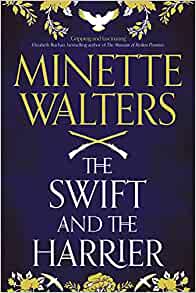
Next week on Susan’s Bookshelves: The Swift and the Harrier by Minette Walters

Show: Mules

Society: Tower Theatre Company

Venue: Tower Theatre

Credits: Winsome Pinnock


Mules

3 stars

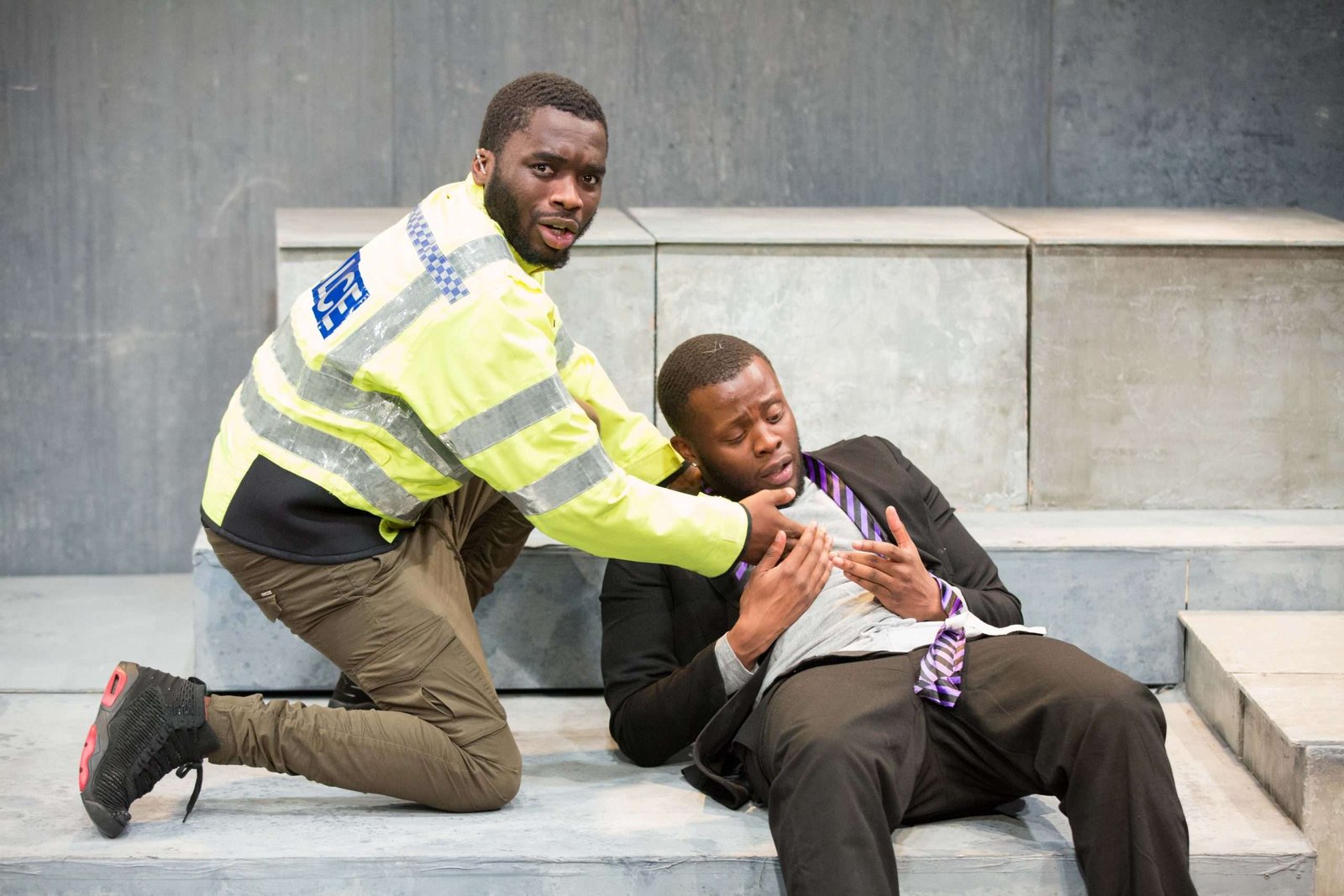
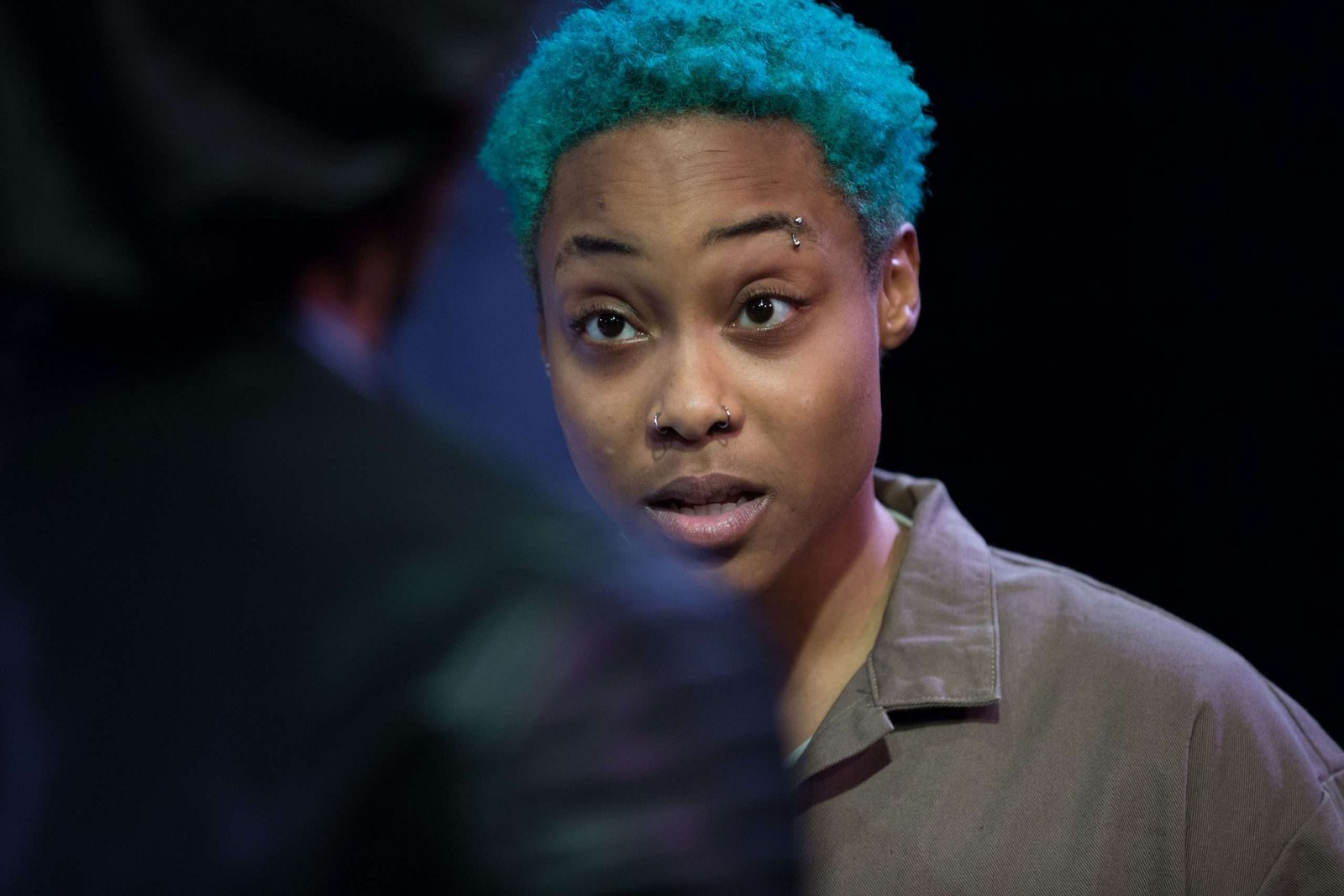
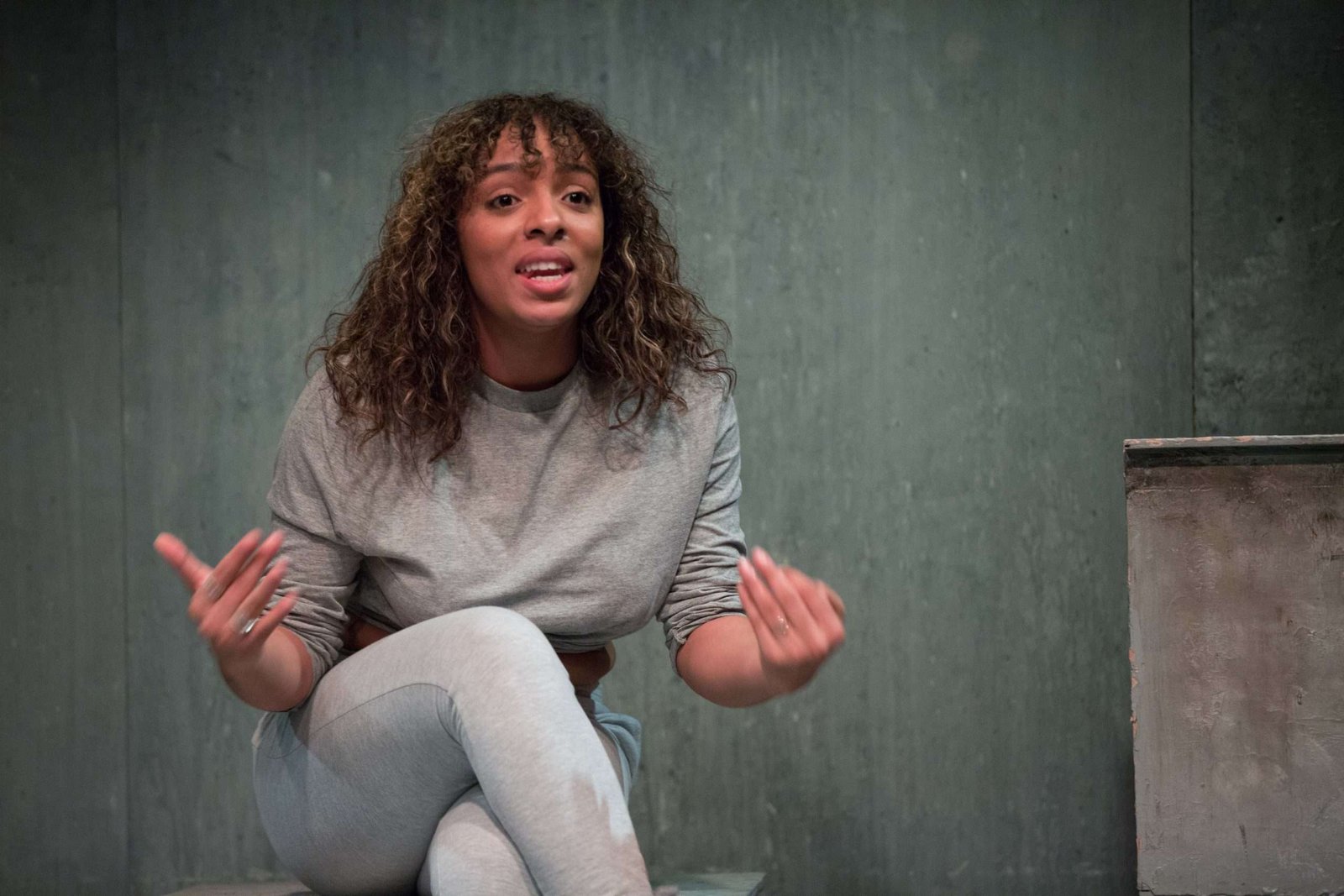
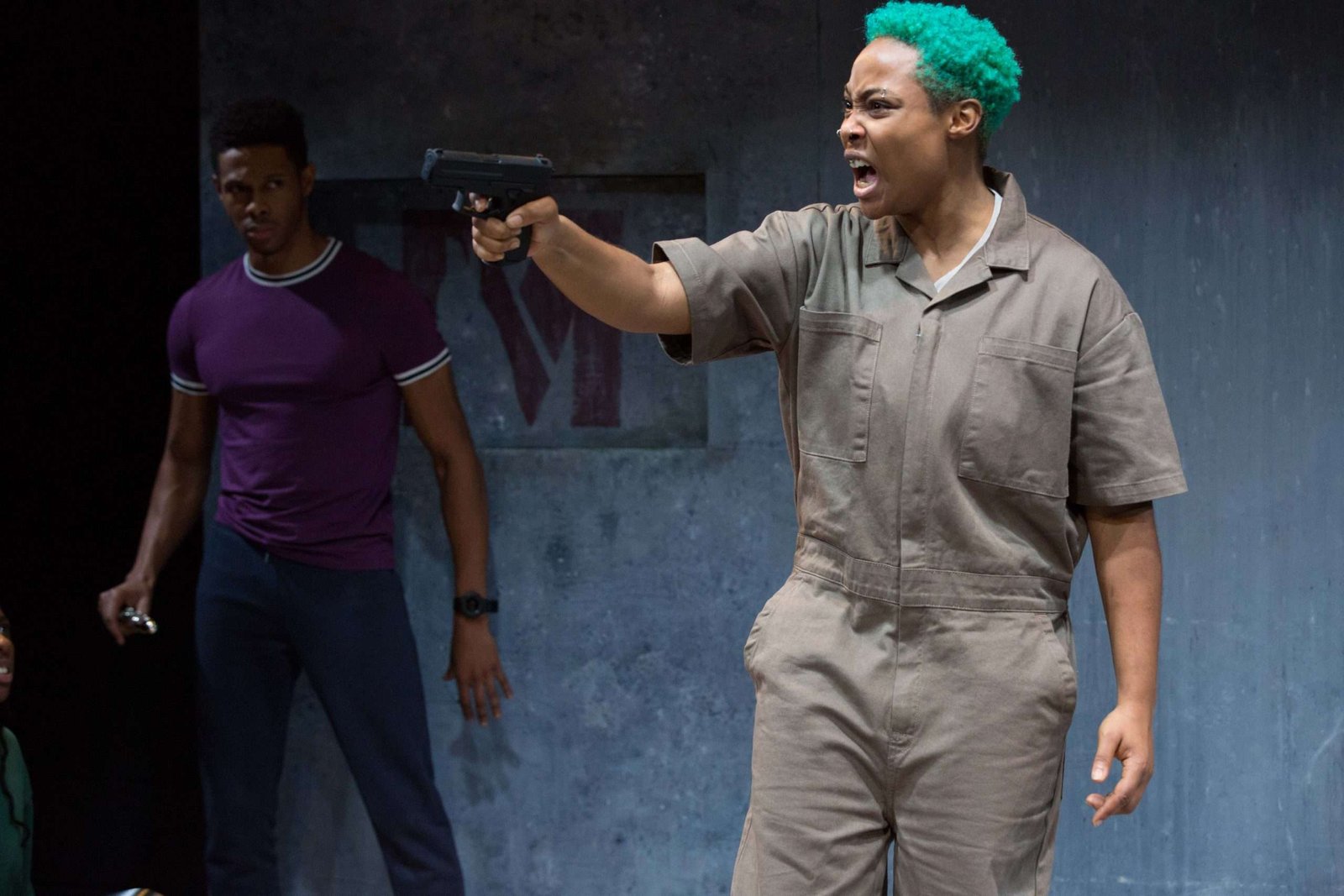
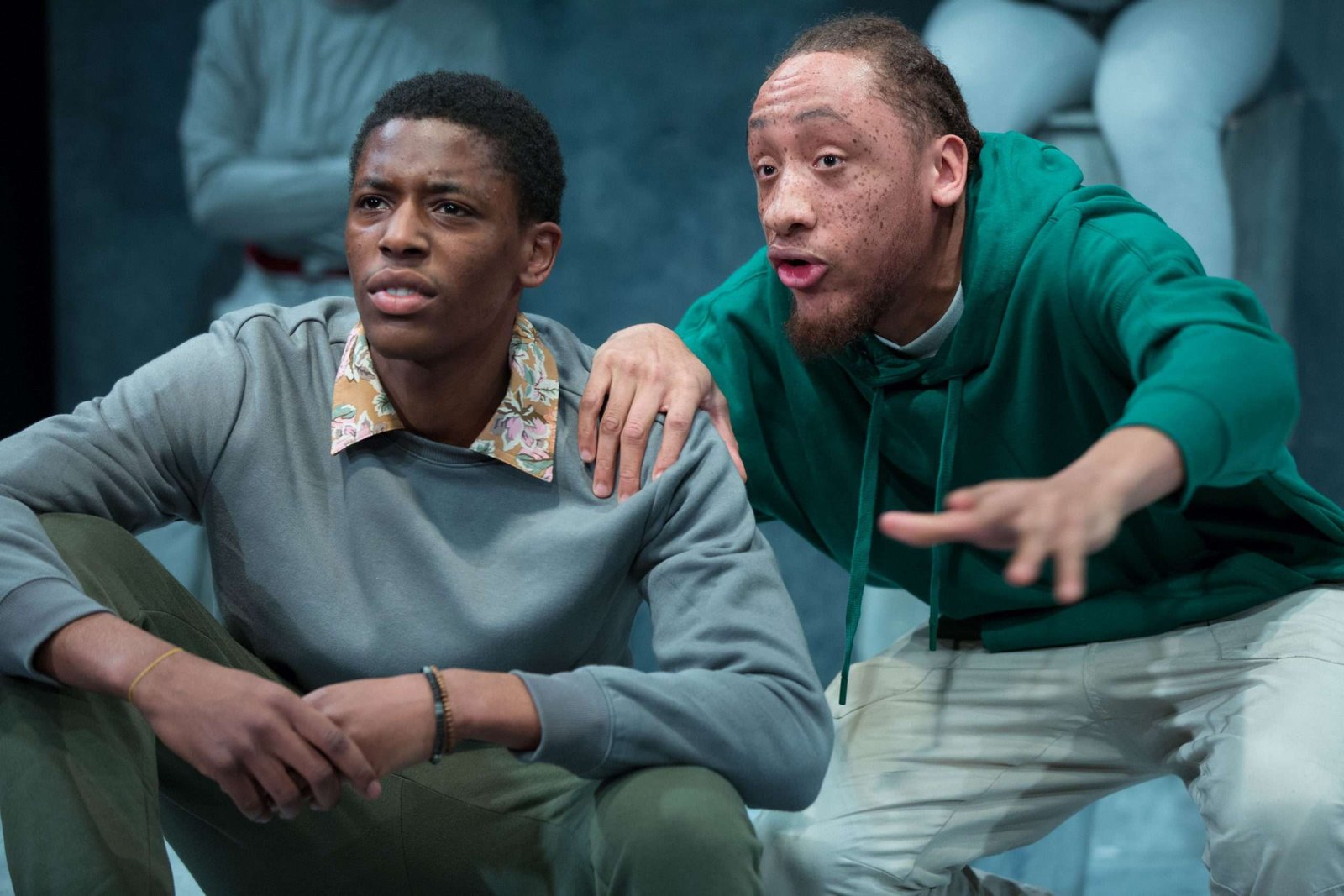
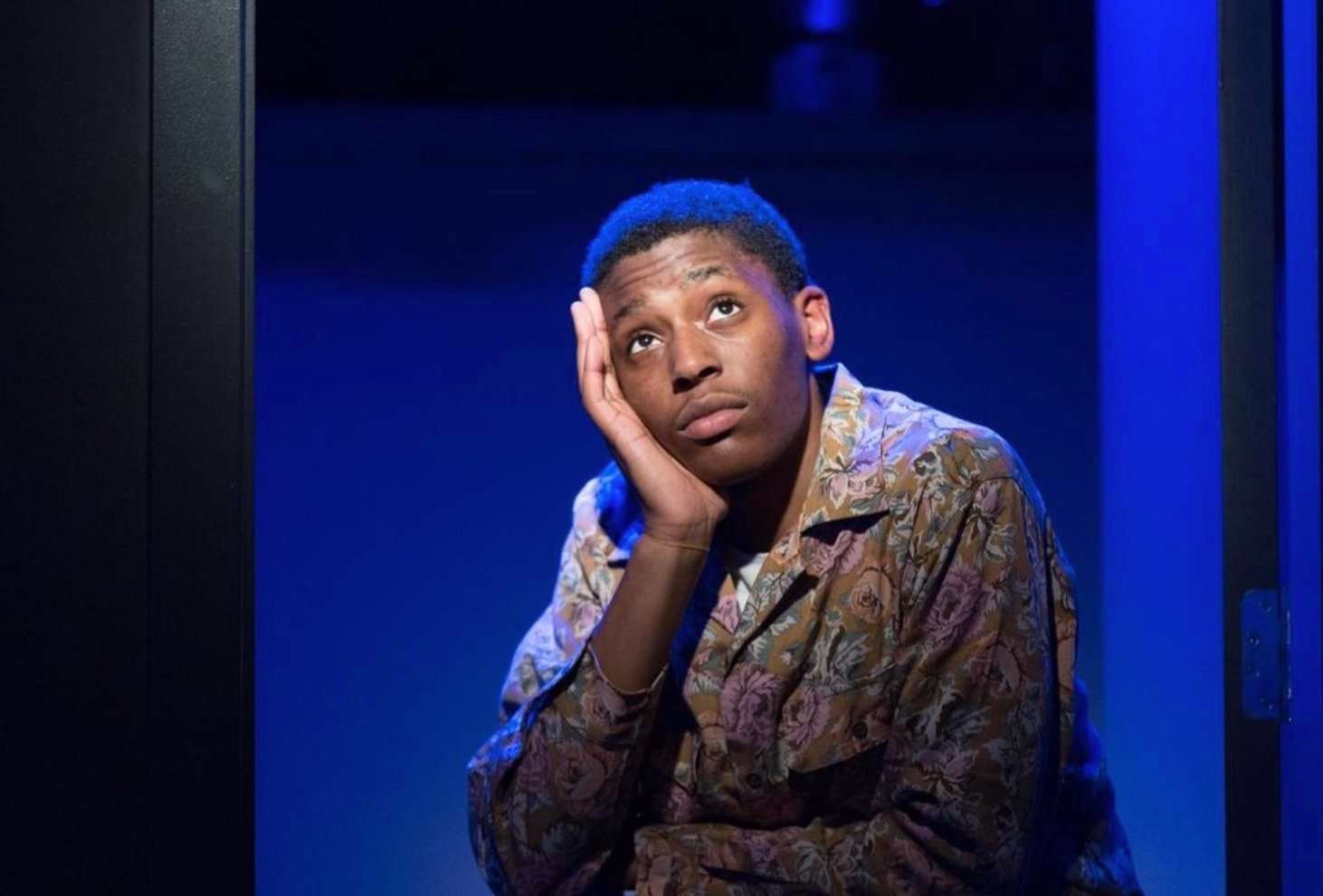
Winsome Pinnock’s powerful play about drug trafficking (premiered at The Royal Court Upstairs in 1996) hasn’t dated at all. Its issues are still alarmingly pertinent and, of course, it’s good to see an all female play, featuring lots of actors of colour, with meaty parts for eight women, several of whom do some neat doubling.

Bridie (Trudi Dane) is running an international drug trafficking business. She’s glamorous, beautifully dressed and charismatically convincing so, of course, young women fall into her hands whether they’re fed up in Jamaica, lost in London or anywhere else. Dane brings an interesting combination of cheerful ruthlessness and, at base, vulnerability to the role. I had, however, difficulty hearing some of her lines at the beginning.

There is some intelligent acting in this production – skilfully exploited by director, Lande Belo. Tyan Jones stands out as the ebullient Lou, full of joie de vivre and carefully delivered Jamaican accent. But she wants more and a trip to London might just provide it although her sister Lyla (Oyinka Yusuff – good) takes a bit of persuading.

I also liked Vanessa Tedi Wilson’s Allie, the young shop assistant who has run away from her home in the West Midlands (judging by her accent) because, we eventually learn, she feels let down by her mother and the latter’s abusive boyfriend. She has a little money and no street wisdom. The rather predictable scene in which she is mugged/drugged and robbed in the park put me in mind of the cat and the fox in Pinocchio. Tedi Wilson seems wooden in her opening scenes (first night nerves?) but eventually brings real depth to the role as she begins to work for Bridie and then, when she has to, finds ways of working though the inevitable consequences.

This play made me think about a lot of things which are outside my everyday experience. There are some very smooth, predatory operators out there ready to take on the vulnerable and delude them into feeling secure and cared for – the Fagin type. And it’s even more chilling, somehow when it’s women exploiting women. Moreover, there are practical issues: I had never stopped to think how desperately uncomfortable it must be to carry a packet inside your body. “You just need more lubricant” purrs Trudi Gane’s character at one point. Ughh. Never let it me said that theatre doesn’t educate you.

First published by Sardines: https://www.sardinesmagazine.co.uk/review/mules/


Venue: VAUDEVILLE THEATRE. 404 Strand, London WC2R 0NH

Credits: by Toby Marlow and Lucy Moss.


Six

4 stars


All photos: Pamela Raith Photography


Oh yes, this apparently perennial show has certainly bedded in beautifully since I first saw it (twice) at Arts Theatre three years ago. Totally original and gloriously sassy, it remains the sort of spellbinding theatre which keeps you smiling for the full eighty minutes. And it can now afford high level production values so the cheerfully assertive on-stage, all female four-piece band is surrounded by some (literally) flashy lighting, courtesy of Tim Deiling’s flamboyant design. Think dozens of traffic lights changing colour … and more.

In case you’ve been on a different theatrical planet for the last three years: this show, by Toby Marlow and Lucy Moss, presents the six queens of Henry VIII meeting for a competitive pop concert. Using a whole range of styles from Beyonce to Adele and from Ariana Grande to Alicia Keys, each tells her own story. This means that each of the six queens gets a spot to present events from her point of view – and we see the whole six wives phenomenon through a 21st Century feminist lens. Underneath the funny, outrageous costumes – very glittery with Tudor hints – the throwaway lines, the jokes and the irreverent lyrics (“Don’t be bitter because I’m fitter”) there are some serious points being made here. And that’s why it works so well. Like all the best shows it is multi-layered.

There are three versions of this show at present: the one I’m reviewing here in the West End, a touring production and one on Broadway. The Vaudeville theatre version has six named cast members, three “queens in waiting” and two cast as swing. At the performance I saw the six on stage were Jarneia Richard-Nioel as Aragon, Cherelle Jay as Boleyn,  Collete Guitart as Seymour, Alexia McIntosh as Cleves, Sophie Isaacs as Howard and Hana Stewart as Parr. Because, presumably, this particular team isn’t fully accustomed to working together there were one or two minor hitches in the dialogue but songs and Carrie-Anne Ingrouille’s entertainingly energetic choreography worked well – as ever.

All six flirt with the audience and pack sky-high levels of dynamic stage presence. I especially like big, bold McIntosh’s Anne of Cleves who, arguably gets the best deal – pensioned off to live independently in a palace as she keeps reminding us. And Cherelle Jay, who keeps popping up chirpily to point out that being beheaded is a bit final, is good value.

This show is a case study in runaway success. It began as the brainchild of two young people at Cambridge who took a little show to Edinburgh – since then, despite the pandemic which darkened it several times, it has been almost volcanic in its seemingly unstoppable growth. Perhaps it’s just what people need in these often uncertain, potentially gloomy times: lots of glitz, glamour, laughter and some good music.

Great Baroque: Playing with Fire Brighton Philharmonic Orchestra Brighton Dome November 7th 2021

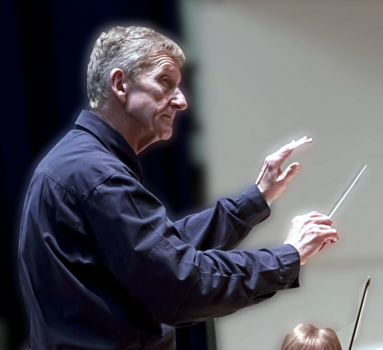
Brighton Dome Concert Hall | Brighton FestivalThe BPO was scaled down to Baroque proportions with lots of soloists from within its ranks for this concert. It’s a pity the audience seemed to have scaled itself down too – there were far too many rows of empty seats. They missed an elegant potpourri of 18th and late 17th century music which mixed the very familiar (Winter from The Four Seasons) with less commonly heard pieces such as Rebel’s Chaos from Les Elemens. That said, most of the programme would have been known to most of the audience and conductor/Harpsichordist Robert Howarth spoke about each piece so it was all pretty accessible both to classical music newbies and children.

We began with Jean-Fery Rebel’s extraordinary, dissonant depiction of Chaos which anticipates The Rite of Spring by nearly two centuries. It’s amazing what you can do with a descending D minor scale. It was played here with due attention to the drama and some lovely piccolo playing, the trills soaring over the texture. For me, incidentally, this was a particular treat because, although I know the piece from recordings this was the first time I have ever heard it live. So thanks for that, BPO.

Later in the programme we got three concerti: Vivaldi’s Winter (played with lots of smiling warmth and exuberance by Ruth Rogers on violin) Brandenburg 2 and Vivaldi La Tempesta di Mare in F. I particularly liked Jonathan Price’s bassoon solo work in the latter. The collaborative spirit of these Baroque concerti in which everyone joins in until solo lines emerge is very attractive.

Ruby Hughes (a last minute stand in for ill-disposed Gillian Keith) sang four arias – one Purcell and three Handel. Standing behind the harpsichord so that she was in the heart of the orchestra and could see the principal cello, she found every ounce of passion in Dido’s lament giving us a very emotionally intelligent, haunting rendering. Then came Handel’s Piangero la sorte mia from Giulia Cesare and Lasshi ch’io pianga from Rinaldo both sung with tearful conviction. I was slightly less convinced by her account of Let the Bright Seraphim, such a well known pot boiler, which needed – I think – a bit more rehearsal with John Ellwood on trumpet.

The concert ended with the chirpy grandiloquence of Music for the Royal Fireworks (well, it was the weekend of 5 November after all). For this, thirteen wind and brass players appeared, most of whom we had not previously seen and heard, along with a timpanist. Every movement was nicely pointed with lots of dynamic colour. Although this is music most of us have heard a million times before and, probably, played all sorts of arrangements of it at different times, Howarth and BPO made it feel enjoyably fresh.

Joanna MacGregor is now BPO’s Musical Director and she’s admirably hands-on. Not only did she introduce the concert at the beginning but she, several times, personally arranged stands for soloists and presented a bouquet to Ruby Hughes at the end. Good to see such real involvement.

First published by Lark Reviews: https://www.larkreviews.co.uk/?p=6714

I first read The Machine Gunners soon after its publication and Carnegie Medal win in 1975. Within a year or two it was ubiquitous in secondary school English Department stock cupboards and widely taught as a class text – which is why it will be familiar to huge swathes of 30 and 40 somethings. It has also been televised and dramatised for the stage. The novel has now become a classic of young adult literature although I suspect it’s used less in schools these days because there is only one girl character, no ethnic diversity (apart from one Glaswegian!) and a certain amount of nationalism because we are, after all in 1941, although actually the book has a lot to say about the futility of war and the decency of people regardless of race. It certainly doesn’t glorify war.

The plot: a group of boys (later joined by their feisty friend, Audrey) find a machine gun in a shot down aircraft, set up a fortress with it and create their own unit to see off the enemy  all unbeknown to local, puzzled adults.  Then they find a German airman, starving and desperate, and take him prisoner. Rudi, eventually, gradually, becomes a friend which is where this story is deeply humane and warm.

The Machine Gunners is set in Garmouth, a thinly disguised Tynemouth, which is where Westall grew up. Tynemouth was quite heavily bombed and Westall bases the book’s background on his own memories. We start with Chas and his friends collecting war memorablia competitively and presumably that’s what the young Westall did.  He was (Westall died in 1993) the same age as his protagonist Chas McGill.  Written without thought of publication, the book was written in school exercise books to show his son Christopher what growing up during the war was like and Chas is based partly on Robert and partly on Christopher Westall. Other characters in the book came from real life too – the McGill parents and grandparents are portraits of Robert’s own family. All this is why the book felt, and feels so authentic.

Westall writes with colourful accuaracy and totally apt original imagery such as “ …burst the sandbags that protected the shelter door like paper bags” or “black with hate”. He also keeps it “clean” because he was writing in the mid-seventies and one was still required to be careful around young readers.  Boys like his characters would have sworn like – well, like the troopers they were pretending to be – but instead we get a lot of “faffing off” and any 2021 child will tell you what refined, protected Nicky would actually have said when he finally finds his courage in the book’s closing sentence.

I was quite moved by my re-reading of The Machine Gunners. The main characters are “just” children but what heartwarming courage, determination and resourcefulness. They prepare basic food on a paraffin heater in the fortress and there’s an unforgettable moment when they bring poor, frozen, terrified Rudi in and take his Luger from him and Audrey, ever practical, asks “Can I give him a cup of tea?”

The Machine Gunners was Westall’s first book and – for the next eighteen years there were to be many more mostly based around war and or the supernatural.  Scarecrows (1981) for example was seriously creepy and I loved Blitzcat (1989). Westall was a teacher and he’s good at school dynamics (such as bully in The Machine Gunners). He was also, latterly an antiques dealer which also features in some of his books. I think I’ll reread some of the rest of his oeuvre soon too.

Next week on Susan’s Bookshelves: Knowledge of Angels by Jill Paton Walsh

Machine Gunners

Show: Samaadhi

Society: West End & Fringe

Venue: The Bridge House Theatre. 2 High Street, Penge, London SE20 8RZ


Samaadhi

3 stars

Billed as a “show in development” this 60 minute piece – by definition –  needs more work. But it is already an arresting hour of intimate theatre.

I have known for a very long time about the Jallianwala Bagh massacre in which hundreds (there is no accurate record of exactly how many) of Indian families were shot for “insurrection”  by British Troops in 1919.  But many British people don’t and I certainly wasn’t taught about it at school. They tended not to dwell on British shame when I was growing up.

Samaadhi explores the horror of that event  and reflects on colonial policy from a number of angles. And part of the aim is to make the appalling events of 1919 better known. We meet an old man remembering. We see early silent film actors discovering bullet holes in a wall. We hear the poetic, chilling rhetoric of the officer in charge and we watch a lot of shooting and dying. It’s pretty uncompromising, visceral  theatre for grown ups.

Mohit Mathur and Ivantiy Novak, the two actors who make all this happen, are both highly accomplished performers. The play uses mime, dance and physical theatre as well as speech – and maybe that’s one of the areas which needs refining because the structure feels episodically bitty in places and some of the sequences are arguably too long. The opening scene in which they are silent film actors with ragtime piano background is, for example, entertaining and beautifully done but feels a bit self indulgent given what the piece is actually about.

Novak, who wrote the play, has a quality of eloquent stillness and attentive listening which I found compelling. And he has one of the most attractive speaking voices I’ve heard in a young actor for a very long time – I hope he’s going to record some poetry (Shakespeare sonnets maybe) very soon if he hasn’t already done so.

Mathur is intensely moving as the elderly grandfather telling his grandson what he remembers and  when he depicts a man confronting a wolf, which presumably symbolises the enemy.  Both men are lithe, eloquent dancers and the choreography of the balletic movement sequences is excellent.

All this is accomplished without set and using just pink and blue Indian floral scarves, a walking stick and a single bullet. The scarves mostly show which side the man is on – red for Britain and blue for India and are folded and tied in different, imaginative ways to suggest, for example, a turban or a skirt. Even so the characterisation isn’t yet always clear as we move from one scenario to another. Perhaps as the piece develops the audience could be given slightly more explicit visual clues.

This was the first time I’ve been to the Bridge House Theatre, Penge since it reopened under new management. It now uses an upstairs black box studio space and has a pretty busy and eclectic opening programme. We had to vacate the auditorium quickly after Samaadhi because they needed to set up for a production about internet dating.  Variety and all that!

First published by Sardines: https://www.sardinesmagazine.co.uk/review/samaadhi/

Pride_nov21-300x300

Pride and Prejudice* (*sort of) continues at the Criterion Theatre, London until 17 April 2022.

Star rating: five stars ★ ★ ★ ★ ★

There is a huge post-pandemic appetite at present for shows which are upbeat and funny. And Pride and Prejudice* (*sort of) ticks all the boxes.

Told from the point of view of five sassy servants (who rarely get a mention in Austen’s 1813 novel), this is a hilarious romp through the plot with karaoke as the linking arch. It manages to be both irreverent and affectionate.

The five actors, all female and several of them actor-musicians, play all the parts as servants dressing up to tell a story. At times their costume changes happen at make-you-gasp (and laugh) speed – Brian Rix and co would have been hard put to beat it.

High-spots include Isobel McArthur (who wrote this show and co-directed with Simon Harvey) as Mrs Bennet – much more down to earth than usual and fond of a drink when it all gets too much. Her sultry, deep-voiced, unsmiling Darcy – given to striking poses – is quite something too ….

Read the rest of this review at Musical Theatre Review: https://musicaltheatrereview.com/pride-and-prejudice-sort-of-criterion-theatre/

Show: BRIAN & ROGER – A Highly Offensive Play

Society: West End & Fringe

Venue: MENIER CHOCOLATE FACTORY. 53 Southwark Street, London SE1 1RU

Credits: By Harry Peacock and Dan Skinner. Directed by David Babani


Brian & Roger – A Highly Offensive Play

4 stars

Brian (Simon Lipkin) is a flyboy, very dodgy and the last person you need as a friend, especially when you’re down. Roger (Dan Skinner) is a vulnerable, decent chap but very miserable, prone to making bad decisions and the least perceptive person on the planet who never learns from experience.

The two have met at a meeting for divorced dads. And I laughed a great deal as Brian exploits Roger repeatedly while the latter, ever reasonable, goes along with his schemes which lead the pair of them into situations which get more and more outlandish – and hilarious. If I mention – wire cutters and a surplus toe, trekking mountains in China alone on a donkey, poker games in an abattoir, SM with Ophelia, bestiality and assisting a disappearing clairvoyant you will get the flavour. It’s an escalatingly episodic piece which sustains the craziness for 2 hours including an interval.

I was, moreover, fascinated by the structure which is reminiscent of an 18th Century epistolary novel such as Les Liaisons Dangereuses. But this is the 21st Century so instead of letters the entire piece consists of phone messages which we see the two characters leaving for each other. Only once – in what is probably the funniest, most farce-like scene of all – are Brian and Roger in the same space. And then we can’t see them because there’s a power cut. It’s a clever play in which the audience sees further than Roger, over and over again because it’s so clear what Brian is up to. The joke is that Roger is taken in: a simple but effective form of dramatic irony.

Lipkin excels as Brian – slippery, cajoling, ebullient and manipulative. The scene in which he has a appointment with his SM “therapist” is unforgettable and all set up through a window in the right-angled set – which the audience views from the other two sides of the square.

Dan Skinner brings a sensitivity and humourlessness to Roger which is really convincing. The acting is very naturalistic not least because we start with two men who seem quite grounded back in London where their lives are not going well. The deadpan way they sustain this naturalism into the realms of farce and comic books is part of what makes this show work.

Timothy Bird’s video designs are a big plus too. Projected onto the right-angled back screen are constantly changing images – a London street, a red light district in China, the GPS map of Chinese mountains with moving spot (donkey), an abattoir and so on. Often they flash up to illustrate what’s being said which is, in itself, funny. Many of them are absurdly bright and some have a three dimensional illusion.

Brian and Roger is a spin off. It began life as a series of podcasts by Harry Peacock and Dan Skinner who started improvising sketches as two divorced dads simply to amuse themselves before realising that perhaps they were on to something. That, obviously, is why the stage show is episodic but it doesn’t matter at all. I came to it “cold”, knowing nothing about the podcasts and had a good evening. Anything which makes me laugh as much as that more than earns the fourth star.

First published by Sardines https://www.sardinesmagazine.co.uk/review/brian-roger-a-highly-offensive-play/